Asia 1st Internet Advertising & Digital Media Marketing Company
Digital MarketingDigital MarketingDigital Marketing
0337-7555540
sales@yis.solutions
D.H.A. Phase 7, Karachi, Pakistan

admin

  • Home
  • Author: admin
  • Page 22

Is Facebook Still Relevant in 2025

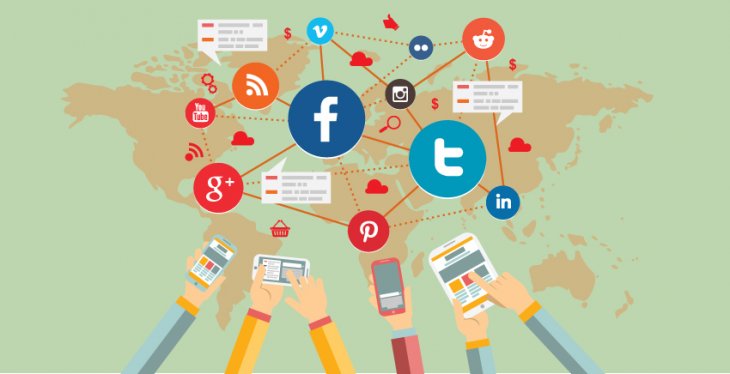
Is Facebook Still Relevant in 2025? Here’s How to Market on FB With so many new social platforms gaining attention, Facebook may seem like an afterthought, especially for younger audiences. But is it really time to write off this giant? Despite the competition, Facebook remains one of the most valuable advertising platform for businesses to connect with their audiences, drive sales, and build communities. Keep reading to learn how Facebook marketing has evolved, where it stands now, and how your business can benefit from it in 2025. Facebook’s Evolution Over the Years Since its launch in 2004, Facebook has gone through massive changes. What started as a college networking site has grown into a global marketing powerhouse. Over the years, Facebook has shifted focus to business tools, introducing features like the News Feed, Pages, Marketplace, and Facebook Shops to give brands ways to engage with users and sell products. Today, Facebook is one of the most sophisticated platforms for advertising, social selling, and audience targeting. With billions of active users and constant updates, it continues to play a major role in shaping how businesses approach social media marketing. The Current State of Facebook: Is Facebook Dead? Who’s Still Using Facebook? Facebook’s numbers remain impressive: 3.07 billion monthly active users (MAU) as of 2024. 2.11 billion daily active users (DAU), which accounts for 68.73% of its monthly audience. These figures position Facebook as the leading social platform worldwide, unlocking incredible opportunities for businesses to engage and connect with users. Recent Updates Driving Engagement This platform isn’t sitting still. Some of the latest Facebook social media updates include: AI-Powered Ad Solutions: Tools that analyze user behavior and optimize ad delivery for better performance. New Video Tools: Features that make it easier for brands to produce engaging video content. Improved Group Management Tools: Facebook Groups continue to thrive, with better options for engagement and moderation. The Financial Value for Businesses Facebook’s advanced advertising capabilities allow brands to achieve impressive returns. With tools like detailed targeting and retargeting, brands can focus on connecting with their ideal target audience and driving measurable results. It’s one of the few social media platforms where small investments can lead to significant growth if used strategically. Challenges & Criticisms Increased Ad Costs One of the biggest complaints from businesses is the rising cost of advertising for their marketing strategies. With so many brands vying for attention, Facebook’s ad auctions have become competitive. This means that running effective ads requires smarter strategies to get the best results for your budget. Learning how to promote your business on Facebook with a mix of paid ads and organic engagement ensures you reach your goals without overspending. Shifting Demographics Platforms like TikTok and YouTube often dominate Gen Z’s attention. However, Facebook for Gen Z isn’t completely out of the picture. Younger users are often part of Facebook Groups, use Messenger to stay connected, and rely on the platform for community-driven interactions, especially when tied to their interests or hobbies. On the other hand, Facebook remains a powerhouse for social media advertising among Millennials, Gen X, and Boomers—audiences with substantial buying power and high engagement rates. That said, adapting your approach to reach a broader audience, including younger users, is key. Consider Facebook marketing ideas like leveraging short-form video content through Reels, creating interactive polls or quizzes, or building private Facebook Groups to foster community engagement. What’s Next for Facebook? As part of Meta, Facebook marketing is expected to lean further into AR (Augmented Reality) and VR (Virtual Reality) integrations. This could open new doors for immersive shopping experiences, where you can virtually try on products or explore environments from the comfort of your home. Innovative marketing tools will also emerge, allowing brands to create campaigns that truly engage and connect with their audiences in ways we’ve never seen before. Artificial intelligence is shaping the way brands market on Facebook. From predictive analytics to smarter audience segmentation based on user preferences, AI tools are making campaigns more effective and efficient. You can expect this trend to grow as businesses tap into more data-driven insights. Why To Stick With Facebook in 2025 Despite the hurdles, Facebook still holds significant value for businesses looking to engage their audience and grow their marketing efforts. Here’s why it’s worth keeping Facebook marketing in your strategy: 1. Advanced Advertising Options Facebook’s advertising capabilities are unmatched when it comes to targeting. Brands can hone in on specific audiences using detailed demographics, interests, and behaviors. Plus, AI-driven optimization tools ensure you get the most out of your budget. Learn how to make your posts shareable and visible to the right audience: How to Make a Post Shareable on Facebook. 2. Building Communities Facebook Groups remain one of the platform’s strongest assets. They allow brands to connect directly with audiences, providing value through discussions, resources, and shared interests. Whether it’s a private group for VIP customers or a public group for industry discussions, Groups build trust and loyalty. 3. Seamless Social Commerce With Facebook Shops, businesses can now sell products directly through the platform, creating a streamlined customer shopping experience. This feature integrates with Instagram for an even wider reach, making it easy to turn scrolling into purchasing. Need tips on using product tagging for e-commerce? Check out this guide. Why Facebook Still Matters Despite competition from newer platforms, Facebook has cemented itself as one of the most versatile marketing tools. Its massive user base, advanced targeting options, and focus on innovation mean it remains a valuable part of any social media strategy. To make the most of Facebook marketing in 2025, evaluate your audience, test campaigns regularly, and stay on top of platform updates to garner those meaningful interactions. Not sure how to promote your business on Facebook? Digitalmediabooster’s team builds custom social media marketing plans that deliver real results. From content creation to ad management, we’ve got you covered. 📩 Get Started Today: Social Media Services
Read more

Dedicated SMTP Server

What You Should Know About Dedicated SMTP Server for Bulk Mailing? Businesses rely on email marketing in today’s digital world as an effective method for connecting with audiences, developing leads and increasing sales numbers. For large-scale emailing operations, your success depends heavily on implementing a dedicated SMTP (Simple Mail Transfer Protocol) server. This piece explores important information that helps you use a dedicated SMTP server effectively when handling bulk email transmissions. What Is a Dedicated SMTP Server? Dedicated SMTP servers complete vital email operations by establishing messages’ transmission and receipt and routing delivery over the internet network. Your business gains superior performance and control with its own SMTP server that solely serves email campaigns instead of using a shared server. With a dedicated server over shared SMTP, you maintain sole control of your email deliverability and reputation free from outside user interference. Key Benefits of a Dedicated SMTP Server 1. Improved Deliverability A dedicated SMTP server ensures proper email delivery to recipient inboxes because it helps you build a positive reputation as an email sender. Your direct control over sending practices allows you to apply DKIM, SPF, and DMARC authentication protocols, better improving your email deliverability results. 2. Higher Sending Limits The email quantity restrictions imposed by SMTP shared servers create count quotas of messages both daily and hourly for users. A dedicated server removes email-sending limits so businesses can operate beyond restrictive thresholds of thousands or millions of emails per day. 3. Enhanced Security Your data communication benefits from complete protection because SMTP servers operate as dedicated systems for your overall security. Server configuration control provides you the necessary power to establish highly secure measures but also enables you to manage server settings. 4. Customization and Flexibility SMTP server configurations can be highly flexible because a dedicated server enables users to personalize server settings according to individual bulk mailing requirements. IP address management and email scheduling combined with email throttling optimization functions are handled through this SMTP server management system. 5. Detailed Analytics and Tracking With their in-depth analysis and tracking tools, dedicated SMTP services let users examine delivery metrics alongside bounce rates, open rates, and click-through rates. Email marketing performance data is essential for building better marketing strategies. Key Features to Look for in a Dedicated SMTP Server IP Warm-Up Support: Gradually increasing your email volume to build a positive sender reputation. Bounce Management: Efficiently handling soft and hard bounces to maintain list hygiene. Authentication Protocols: Support for DKIM, SPF, and DMARC configurations. Throttling Controls: Managing the speed at which emails are sent to prevent being flagged by ISPs. Advanced Analytics: Access to real-time reports and tracking metrics. Best Practices for Using a Dedicated SMTP Server for Bulk Mailing 1. Maintain a Clean Email List A regular cleaning process should remove invalid email addresses together with disinterested subscribers and recipients without recent engagement. Cleaning your mailing list includes removing inactive recipients, which decreases bounce rates while enhancing deliverability rates. 2. Authenticate Your Emails Your email authentication success rate will improve when you implement DKIM, SPF, and DMARC records in your system. 3. Segment Your Audience Segmentation methods that use demographic criteria together with behavior and purchase data generate email campaigns that reach audiences in a highly personalized manner. 4. Monitor Email Performance Metrics Regular monitoring of open rates, click-through rates, and bounce rates helps you evaluate campaign effectiveness so you can make the needed improvements. 5. Ensure Compliance with Regulations Businesses must follow both CAN-SPAM and GDPR email marketing regulations. The same applies to users who wish to unsubscribe from communications. Each email communication must contain an obvious unsubscribe option that users need to respect. Choosing the Right Provider When selecting a dedicated SMTP server provider, consider factors such as: Reputation and Reliability: Look for providers with a proven track record. Scalability: Ensure the server can handle your growing email marketing needs. Support: Opt for providers offering 24/7 technical support. Pricing: Compare pricing plans to find one that fits your budget. Final Thoughts The benefits gained from a specialized SMTP server transform bulk email marketing operations for companies. The dedicated SMTP source delivers stronger control measures while providing higher security standards alongside better mail deliverability rates. Your email campaign effectiveness will improve when you use best practices and key features to reach your marketing objectives. Your email marketing performance will significantly increase when you select an SMTP solution with reliability.   Click here to get Dedicated SMTP Server for Bulk e-Mails  
Read more

SEO Management

What is SEO? SEO, also known as search engine optimization, improves your visibility in relevant search engine results pages (SERPs) on search engines like Google, Yahoo!, and Bing. It uses an umbrella of strategies and techniques to boost your visibility, which can result in increased website traffic. When you compare different digital marketing strategies, you’ll find that SEO doesn’t deliver results overnight like PPC advertising does (and that’s whether you invest in expert PPC services from an agency or manage it in-house). It can take several months to really see the fruits of your SEO efforts. So, while you’re waiting for your SEO to kick in, you can still see quick results with PPC. In the end, combining both strategies can lead to great outcomes that are definitely worth the wait. As an example, our clients have earned more than $10 billion from our strategies. Not to mention, we’ve also used SEO to generate more than 24 million leads, 7.14 million phone calls, and 14.9 million transactions for our clients — all in the past five years. What is SEO management? SEO management refers to your company or agency’s management of your SEO strategy. As a part of SEO management, your team or agency develops, leads, and modifies your strategy to maximize your results and achieve your marketing, sales, and business goals. If you partner with an agency, your business may sign with a specialized agency, like a local SEO company or full-service digital marketing agency. As many internal marketing departments handle multiple responsibilities and don’t have a background in SEO, it’s common for businesses to invest in professional SEO management services. With SEO management, your team or agency develops, leads, and modifies your strategy to maximize your results and achieve your marketing, sales, and business goals. Whether your business partners with an agency or manages your strategy in-house, it’s essential to understand what SEO management includes. That way, you can build a foundation for a competitive strategy that actually drives revenue for your company. 4 steps toward successful SEO management If you want to create a successful SEO strategy, then you need to succeed at SEO management. Even if you partner with an experienced SEO agency, like Digitalmediabooster, it’s helpful to understand how SEO management works. The four steps behind successful SEO management include: Audience research Competitor analysis Website optimization Monthly reporting 1. Audience research Companies that excel at SEO have an in-depth understanding of their audience. They’ve done the research and understand what their target market wants from their business, product, or service. These companies also know the common questions and problems of their target audience. If you want to succeed at SEO management, you need to understand your target market at this level. Invest your time researching your target market, and answer the following questions: What problems does my product or service solve for users? What issues does my target market have with other providers? What demographic features define my target audience? Where does my target market go when they have problems or questions? Even if you have marketing personas developed for your target audience, it helps to reevaluate your past research. Consumers can change over time. If you use outdated marketing personas, it can cause your SEO strategy to flop, which doesn’t help you or your company. Once you have your audience researched, you can take the next step towards launching your plan. 2. Competitor analysis A competitor analysis can offer tremendous insight, which is why it’s a core part of SEO management. Whether you’re partnering with an SEO agency or leading the initiative in-house, make a competitor analysis part of your plan. As a part of your competitor analysis, you want to determine the organization’s SEO strategy. In some cases, you may find that a direct competitor doesn’t have an SEO strategy. That’s where indirect competitors can help as most owe their high ranking in search results to SEO. Learn about a company’s SEO strategy by looking at the following: Backlink profile Domain age Optimization practices Traffic value Targeted keywords For many businesses, this step is a challenge. If you’re new to SEO, it introduces several aspects of technical SEO, which is where the expertise of an SEO agency like Digitalmediabooster becomes valuable. With the experience of our team, we can quickly assess the status of your direct and indirect competitors. Plus, we have access to a variety of tools to streamline this process. In comparison, in-house SEO management (and department budgets) can limit your team. These limitations can have a direct impact on the quality and results of your competitor analysis, which can influence your SEO strategy. 3. Website optimization With your target market and top competitors researched, your company can begin the process of optimizing your website for search and improving your SEO. This process can take time, so approach this task with realistic checkpoints or goals. For example, if you have 25 pages on your site, it’s probably not feasible for your team to optimize all those pages in a month. You have additional responsibilities to manage, though some companies solve this problem by taking advantage of website SEO copywriting services. This service, which Digitalmediabooster offers, provides your business with on-brand copy optimized for SEO. Even if your company uses this service, it’s important to remember that results still take time. Publishing your optimized content sooner, however, can help you see those results earlier. If you optimize your content in-house, focus on using your targeted keyword in a few places. When you optimize your content, it’s essential for your team to follow SEO best practices. That means avoiding keyword stuffing, for example, and other black-hat tactics that can prevent your business from ranking at the top of search results. 4. Monthly reporting Like other digital marketing strategies, SEO uses data. With data from your website, you can measure your SEO strategy’s performance. Plus, you can find areas of improvement and make data-backed decisions when it comes to your next move. If you partner with an SEO agency, like Digitalmediabooster, you can expect monthly reports from your dedicated account manager. In some cases, you
Read more

Traditional vs Digital Marketing

Difference between Traditional Marketing and Digital Marketing Traditional Marketing and Digital Marketing are two different approaches to marketing that aim at achieving similar goals; i.e., promoting goods and services, and reaching the target audience. Traditional Marketing is a marketing approach that uses conventional methods to promote goods and services; however, Digital Marketing uses online platforms and digital technologies to promote goods and services. What is Traditional Marketing? Traditional Marketing is a form of marketing that uses conventional methods/offline media to reach the target audience. It uses offline channels like television, direct mail, radio, telemarketing, and billboards. It is a one-way communication marketing approach and allows businesses to broadcast their message to a large audience with no or less interaction. These marketing materials are usually inserted in locations where their target audience is more likely to see, hear, or engage with them. Features of Traditional Marketing: One-way Communication: Organisations deliver their messages in a one-way manner, and do not usually provide the audience with the opportunity to interact or provide feedback. Offline Channels: It uses offline channels like TV, magazines, radio, billboards, etc. Tangible Materials: It also uses some tangible materials to deliver its message or promote a product or service. These materials include flyers, brochures, posters, etc. High Cost: The traditional marketing campaigns require quite high financial investment as the cost associated with broadcasting, printing, and distributing tangible materials is high. What is Digital Marketing? Digital Marketing is a form of marketing that uses online platforms and digital technologies to reach the target audience. For this, the organisations leverages social media, internet, search engines, mobile apps, email, and other digital channels. It is a two-way communication marketing approach and allows the organisation and audience to interact with each other, engage properly, and provide feedback and/or suggestions. Digital Marketing offers the organisation with numerous tools and techniques to target specific audience, measure their campaign performance, and optimise strategies. Features of Digital Marketing: Two-way Communication: With digital marketing, organisations can interact with their audience, allow them to provide feedback and comments, and engage with the properly. Online Channels: It uses online channels like websites, email, social media platforms, mobile apps, search engines, etc. Multimedia Content: It uses multimedia content like images, videos, infographics, etc., for user engagement across different online platforms. Cost: As compared to traditional marketing, digital marketing can be more cost-effective. It is because digital marketing usually include low overhead cost and has more advertising options. Difference between Traditional Marketing and Digital Marketing Basis Traditional Marketing Digital Marketing Meaning Traditional Marketing is a form of marketing that uses conventional methods/offline media to reach the target audience. Digital Marketing is a form of marketing that uses online platforms and digital technologies to reach the target audience. Reach & Targeting It frequently uses a wide range of media, including print, radio, and television, to reach a large audience. Precise targeting according to geography, interests, habits, and demographics is made possible by digital marketing. Cost It may be costly, particularly for print advertising or television commercials. Expenses are frequently set and might not offer comprehensive ROI information. Digital Marketing provides different low-cost solutions, ranging from pay-per-click advertising to free advertising (organic social media). Digital campaigns often have lower costs. Interactivity & Engagement Traditional Marketing involves a one-way communication strategy with little room for involvement or interaction. Digital Marketing enables interaction through likes, shares, comments, reviews, and other forms of two-way communication. Flexibility & Agility In traditional marketing, once a campaign begins, it usually becomes harder to modify and frequently requires a large lead time. Real-time adjustments based on performance indicators, trends, and feedback are possible with digital marketing. Campaigns may be easily adjusted or changed as needed. Measurability & Analytics Brand awareness, recall, and reach are among the metrics utilized in traditional marketing but exact measurement is not always easy to achieve. Digital Marketing offers a variety of analytics tools for monitoring user activity, campaign performance, conversion rates, and return on investment. Data-driven insights make optimization and continuous enhancement possible. Tangibility & Brand Presence In Traditional Marketing print advertisements, billboards, and brochures are examples of tangible items that can make an impression. Digital marketing is the practice of promoting brands virtually using online platforms including social media, email, and webpages. Global v/s Local Impact Traditional Marketing is appropriate for companies that target particular geographic areas since it can have a big local impact. Global reach is made possible by digital marketing, which is perfect for companies looking to grow abroad or connect with different target markets.  
Read more

One-to-One Email Marketing vs Bulk Campaigns 

We recently read an article in e-consultancy with Jim Rudall, Head of EMEA at Intuit Mailchimp, discussing his perspective on email marketing. At digitalmediabooster, a leading provider of One-to-one Email Marketing at Scale solutions, we also have our own bulk Email Marketing tool, so we know a thing or two and have some thoughts about where each approach can flourish. Every Email Opened Jim Rudall points out a fundamental consumer behavior: “I will only open emails from brands I’ve subscribed to and willingly shared my details with.” We resonate with this sentiment at digitalmediabooster. In the flood of daily emails, it’s common to skim through, looking only for familiar senders or pertinent messages. Bulk Email Marketing excels in broad reach, making it an invaluable tool for announcements and broader communications meant to be seen by a wide audience. Meanwhile, One-to-one Email Marketing at Scale excels in creating personal engagements. As we know, the world of marketing is changing. Having a direct personal connection with someone before you decide to use bulk email tools will likely be the future; giving clear opt-ins/outs using One-to-one Signatures is a clever way to ensure people are receptive to your offer before sending automated emails. Combining methods ensures that your marketing communications engage your audience personally, optimizing for relevance and reach. This effective strategy will boost confidence in your marketing strategies. Once you’ve connected using One-to-one Email Marketing, keeping your contacts updated using bulk email tools is genuinely beneficial. With the right bulk email tool, you can use a plethora of content to stay top of mind. Subject Line Significance Subject lines are a pivotal element in both forms of email marketing. With digitalmediabooster’s One-to-one approach, each subject line is meticulously tailored to the recipient, enhancing the likelihood of the email being opened and acted upon. The subject line of a personal email is most likely unique to an ongoing conversation, making it immediately relevant. In Bulk Email Marketing, compelling subject lines are equally important as they help your email stand out among many. By applying best practices from One-to-one Emails to Bulk Email strategies, we help ensure your messages captivate and engage on any scale. This adaptability of our services will secure your marketing efforts. Email Bugbears Rudall also highlighted common pitfalls in email marketing, such as irrelevance and clickbait tactics. These issues often stem from overly centralized email content strategies. At digitalmediabooster, we decentralize the content creation to the individual sender who best understands the recipient’s needs and context, ensuring every email is as relevant and engaging as possible, whether sent to one person or a thousand. Our unique ‘banner segmentation‘ feature allows you to tailor your email banners to specific segments of your audience, ensuring all emails are perfectly relevant. Real personalization Real personalization is more crucial than ever in an era of moving away from third-party cookies and under strict data privacy laws like GDPR. One-to-one Email Marketing at Scale offers unmatched personalization by naturally incorporating relevant business interactions into emails. For Bulk Email Marketing, this principle can be adapted by segmenting audiences more finely and tailoring messages to meet the nuanced needs of each group, making even mass communications feel more personal and targeted. If your software can do this, that’s great, but we sometimes find functionality lacking. One-to-one Email Marketing focuses on adding branding and engagement to individual company mail, which is personalized by its very nature. We’ve checked, and it literally can’t get more personalized than me sending you an email about something specific. We’re not suggesting you replace your whole marketing tool kit, but if you care about personalization, there’s no better alternative. Except for a call or a face-to-face meeting, neither of which can be achieved at scale. Is AI the future? For many consumer brands, AI may be the answer to personalization regarding email and big data. For B2B, it’s a little different. People expect more from a business relationship, and most businesses will be using AI in one form or another, so it’ll become more accessible and easier to spot and more and more taboo when used in communication. We may see the humble one-to-one email come into its own again as a bulwark against everyone else conversing with robots. We’re not saying AI won’t have a place in the marketing mix, but human interaction will become rare, and rare holds value. You just need to ensure you’re taking every advantage of such valuable interaction to maximize engagement from personalized one-to-one emails. It’s also been noted by IBM that many large corporations are looking to build proprietary AI models to address the issue of using their intellectual capital. This may lead to the decline of bulk email and allow closer interaction between humans and machines using more personal tools, such as One-to-one Email Marketing at Scale. Prepare for marketing shifts The synergy between Bulk Email Marketing and One-to-one Email Marketing at Scale is clear. While bulk emails are great for wide-reaching messages and gaining initial attention, one-to-one emails build on this foundation by deepening engagement through personalized communication. Together, they form a robust strategy that leverages the strengths of each approach, ensuring that your marketing communications are not just seen but responded to; adding targeted marketing banner campaigns to individual business emails makes a genuine connection by engaging recipients with relevant promotional messaging as part of their everyday email conversations with existing trusted contacts. As businesses explore the role of AI in personalization, One-to-one Email Marketing interactions stand out as a valuable channel for authentic human engagement, especially in B2B contexts where relationships hold significant weight. Embracing the unique power of One-to-one Email Marketing at Scale ensures businesses can maximize the impact of each valuable interaction, setting themselves apart in a world where genuine human connection is increasingly rare yet highly valued. Our final point would be to look for a provider who will actively engage and help you with your strategy and campaigns. Account set up, training, guides and one-to-one support are all critical to your marketing success.
Read more

Importance of Landing Page SEO 2025

Unlocking the Full Potential: Mastering Landing Page SEO for Boosted Conversion Rates Where online visibility is the linchpin of business success, mastering landing page SEO is essential to unlocking your website’s full potential and driving impactful conversions. Landing pages serve as the digital gateway to your offerings, making SEO strategies specifically tailored to these pages crucial for capturing user attention and converting it into meaningful actions. Here, we delve into the intricacies of landing page SEO, providing actionable insights and answering common questions to enhance your conversion rates effectively. The Importance of Landing Page SEO Landing page SEO involves optimizing individual web pages to rank higher on search engine result pages (SERPs), drive targeted traffic, and increase conversion rates. While SEO for general web pages focuses on visibility, landing page SEO emphasizes both attracting and retaining the right audience. By honing the relevancy and performance of your landing pages, you can significantly impact user behavior, guiding visitors smoothly through your sales funnel. Key Strategies for Effective Landing Page SEO 1. Keyword Optimization Use relevant keywords strategically throughout your content, titles, and meta descriptions to signal to search engines the purpose of your landing page. Avoid keyword stuffing; instead, aim for naturally integrated keywords and related search terms. Craft engaging headlines that align with user intent and encourage clicks. Utilize tools like Google Keyword Planner to identify high-value keywords tailored to your audience.   2. Page Speed and Mobile Optimization A fast-loading, mobile-optimized landing page increases user satisfaction and decreases bounce rates. Implement best practices such as image compression and reduce unnecessary scripts. Leverage Google’s mobile-friendly test to ensure your landing page caters to mobile users effectively. Pages that load within three seconds tend to retain more visitors, according to numerous industry studies.   3. Compelling Content and Clear Call-to-Action (CTA) Ensure your content is engaging, relevant, and provides immediate value, guiding users seamlessly towards your CTA. Keep paragraphs short, employ bullet points, and use headings to improve readability and user experience. Craft a strong CTA that motivates users to take the desired action, such as “Get Your Free Trial Now” or “Download Our Guide.” Demonstrate expertise with testimonials, statistics, or case studies to build trust and credibility.   4. Optimized Meta Tags and Descriptions Write unique meta titles and descriptions for each landing page to improve click-through rates. Use this space to summarize the benefits visitors will receive, including a keyword without being overly promotional. A compelling description can significantly influence a user’s decision to click on your link over a competitor’s. Consistent messaging in both meta descriptions and landing page content assures users they have found the right information. Conclusion Mastering landing page SEO is a strategic necessity that goes beyond simply improving search rankings—it’s about enhancing user experience and guiding potential customers toward conversion. By employing keyword optimization, refining page speed, creating compelling content, and leveraging optimized meta tags, businesses can significantly bolster their conversion rates. As you implement these tactics, keep refining your approach based on analytics and user feedback to continue unlocking the full potential of your landing pages. In essence, landing page SEO is the foundation upon which conversion success is built, melding the art of attraction with the science of persuasion.   Click here to get Landing Page SEO Services
Read more

Social Media benefits in 2025

Welcome to the latest and final 2024 edition of Social Commotion, Motion’s roundup of social media updates and news. Check out our top social media updates from December 2024 as we look ahead to 2025. Predictions for Social Media Marketing in 2025 Social media is always changing, and 2025 will be no different. Key insights reveal that the social media landscape will undergo significant changes driven by technology, user behavior and platform evolution. Social media marketers must adapt to these transformations to stay competitive and relevant in an increasingly digital world.   Here are the social media themes to keep on your radar for 2025: 1. The Rise of AI-Driven Content AI tools will be crucial in content creation, enhancing efficiency and personalization. Marketers will use AI for copywriting, design, video editing, and customer interaction. Personalization will also become more refined, with AI able to predict and serve content that resonates deeply with specific audiences.   2. Continued Growth for Video and Live Streaming Video content, including live streaming, will dominate, with increased focus on short-form and interactive formats. Social platforms will continue enhancing their video capabilities, integrating shopping, events and real-time engagement features.   3. Social Commerce and Shopping Integration   Social media will become more deeply embedded in eCommerce, with platforms such as Instagram and TikTok advancing their in-app shopping features. Shoppable content will become ubiquitous, allowing brands to connect with consumers directly on social platforms.   4. Privacy and Data Concerns   As privacy regulations tighten globally, marketers will need to balance personalization with data privacy. Users will become more selective about sharing personal data, and brands will need to be transparent about data collection and usage.   5. Influencer Marketing Maturity   Influencer marketing will become more refined, with a stronger focus on authenticity, long-term partnerships and niche influencers over macro-celebrity endorsements. Micro- and nano-influencers will continue to gain traction due to their credibility and strong engagement with their smaller but highly loyal audiences.   6. Metaverse and Virtual Realities The metaverse will influence social media marketing, with virtual spaces offering new opportunities for brand engagement and immersive experiences. Social media platforms may host virtual events, branded experiences and digital goods as part of a broader move toward virtual commerce.   All in all: In 2025, social media marketing will be defined by increased integration of artificial intelligence, video-centric content, and deepened eCommerce features. Marketers will also have to navigate a more complex landscape shaped by privacy concerns and shifting user behaviors. Emphasizing authenticity, personalization and the adoption of new technologies like the Metaverse will be crucial for staying ahead in a rapidly evolving space.   TikTok’s 2024 Recap is Here Move over, Spotify Wrapped—TikTok’s annual roundup is giving us a deep dive into the trends that more than 170 million Americans brought to the forefront in 2024. From brat summer and “very demure” to Moo Deng, these viral moments didn’t just live on TikTok—they shaped pop culture far beyond the app, seeping into other social platforms and mainstream media.  For brands, these trends offer a window into what audiences care about. #BookTok continues to be a powerful platform for authors and readers alike with over 1.2 million posts this year. Meanwhile, #SportsOnTikTok saw a 350% increase in posts compared to 2023, and #WomenInSports skyrocketed by an incredible 2400% thanks in part to content from stars such as Ilona Maher and Caitlin Clark. #TeachersOfTikTok and #science also experienced transformative growth, making 2024 a year of big ideas and even bigger cultural shifts.   As we gear up for 2025, pay attention to these trends—some are just getting started. Whether you’re active on TikTok or not, tapping into these cultural moments can help brands stay relevant and connect with their audience in a meaningful way both online and IRL.       Pinterest Makes Platform Updates to Streamline Shopping Experience Pinterest is making a strong play for the shopping season with a new set of features designed to streamline the shopping experience for users and position itself as a one-stop shop for gift inspiration. The update presents a significant opportunity for advertisers to reach a target audience that is actively in the purchase mindset.   Leveraging Shoppable Pins, users can now transition from discovery to purchase within the Pinterest platform seamlessly. Pinterest is also introducing new user-friendly features such as Quick Save to simplify the shopping journey. And that’s not to mention the more than 1,000 curated shopping guides by celebrities and influencers, each featuring 30 to 40 shoppable items. These features encourage users to engage more deeply with the platform and discover new products.  The hope is that this frictionless shopping experience will lead to significantly higher conversion rates for brands, offering a more promising outlook for 2025.   Social Media Management & Marketing Services 
Read more

Top Benefits of Digital Marketing in 2025

What are the advantages of digital marketing? Better returns on investment, maintaining brand image, testing new ideas with minimal risk, tailored ads for large audiences, and freelance & side hustle opportunities are some of the many benefits of digital marketing. This blog explores all these benefits in detail, along with insights to help students and businesses leverage digital marketing effectively in 2025. Top 15 Benefits of Digital Marketing in 2025 Following are the top advantages of digital marketing in 2025 Benefits of Digital Marketing for Businesses Better Returns on Investment Reaching Local Customers Easily Creating Tailored Ads for Large Audiences Testing New Ideas Quickly with Minimal Risk Connecting with Customers at Every Buying Stage Benefits of Digital Marketing for Small Businesses Competing with Bigger Brands Building Trust and Credibility Quick Experimentation and Adaptability Benefits of Digital Marketing for Large Businesses Using Consumer Data to Make Better Decisions Expanding Globally with Ease Connecting With Customers Across Multiple Platforms Managing Brand Image on a Bigger Scale Benefits of Digital Marketing for Students & Career Seekers High-Demand Skill for Career Growth Freelancing and Side Hustle Opportunities Personal Branding and Networking Benefits of Digital Marketing for Businesses Better Returns on Investment When you invest in marketing, you want to know one thing: Is it worth it? ROI (Return on Investment) answers that question by showing exactly how much you earn compared to what you spend. Digital marketing takes this a step further by giving you tools to measure ROI with incredible accuracy. Let’s say you run a small e-commerce store and launch an online ad campaign. With digital marketing, you can track every click, every purchase, and how much revenue each ad generates. Following are the different aspects in which digital marketing offers high ROI. Email marketing consistently delivers remarkable results. According to a report by Litmus, businesses earn an average of $36 for every $1 spent on email campaigns. Google’s Economic Impact Report highlights that businesses can achieve an average ROI of 200% through PPC ads. This means for every dollar spent, companies often see $2 in return. If you’re using advanced analytics tools, the potential grows even more. Forrester reports that businesses leveraging digital analytics can boost their marketing ROI by up to 20%. Why does this matter? Traditional marketing rarely offers such detailed insights or guarantees. With digital marketing, you get transparency, control, and measurable growth.  Reaching Local Customers Easily Local customers are the heart of small businesses, whether you own a café or a boutique shop. Digital marketing makes connecting with them simple and effective. Did you know that 72% of people who search for products or services nearby visit a store within 5 miles? And with over 30% of mobile searches tied to location (Think with Google, 2024), your next customer might already be looking for you. Platforms like Google My Business and Facebook allow you to put your business on the map—literally. You can share updates, showcase reviews, and run targeted ads. For example, a hair salon could advertise a “20% off your first visit” offer directly to residents in the area. And if that is not enough, social media’s geo-targeted ads take it up a notch, letting you zero in on specific neighborhoods. Instead of casting a wide net, you can focus your efforts on the customers most likely to walk through your doors. Creating Tailored Ads for Large Audiences You must have noticed how some ads just seem to get you. That’s the magic of personalization. Personalized ads speak directly to what your audience cares about—and it works. 80% of people are more likely to buy from brands that make their ads feel personal. And these ads engage three times more than generic ones (McKinsey, 2024). To understand it better, let’s take an example. Suppose you’re running a fashion brand. You could target young women with ads for summer dresses and show professionals your business suit collection. With tools like Facebook Ads Manager or Google Ads, you can easily group your audience by age, interests, buying habits, and more. You can also look for platforms like Facebook Ads Manager or Google Ads to find more people like your current audience and save a few dollars you otherwise would have invested in ad campaigns that miss the bull’s eye. Testing New Ideas Quickly with Minimal Risk Trying out new strategies can be risky for any business, but digital marketing makes it easy to experiment without draining your budget or resources.  Take a new restaurant, for example. They might want to see if breakfast or lunch promotions attract more customers. It’s a fraction of the cost compared to traditional advertising. Instead of guessing, they can run separate Facebook ads for each and track which one performs better.  Unlike TV or print ads, digital campaigns give you instant insights, so you can tweak your strategy on the go. This approach costs far less than traditional methods, like TV or print ads, and offers real-time feedback. 78% of marketers rely on A/B testing to boost campaign performance (Statista, 2023). Test different ad versions, landing pages, or messages to see what clicks with your audience. You can try different versions of ads, landing pages, or even subject lines and see what clicks with your audience. Connecting with Customers at Every Buying Stage Customers don’t buy immediately. They go through different stages before making a decision. Understanding these stages can help you connect with them more effectively. What is the “Buying Stage”? A typical buying journey includes three stages: Awareness – Customers realize they have a problem or need. Consideration – They compare different options to find the best solution. Decision – They’re ready to make a purchase and need a final push. So, how does digital marketing help at each stage? Awareness Stage: Customers are learning about their problems and seeking solutions. Digital marketing tools like SEO and social media ads ensure your brand appears when they search for answers. Consideration Stage: Now, customers are comparing their options. This is where email marketing shines where as much as
Read more

SEO Benefits for Business in 2025

Search Engine Optimization is the leading online marketing strategy of the 21st century. By 2025, the industry will be worth $106.9 billion globally. Yes, that’s a massive figure. With more consumers turning to internet searches to find products and services, having a strong online presence is no longer a luxury but a necessity.  As a core digital marketing strategy, there are many reasons to invest in SEO, and even in an SEO agency, to boost brand awareness, engage more customers, and earn more revenue and leads.  Hence, we have compiled a list of SEO benefits, from boosting your brand visibility to increasing website traffic. Explore the list of benefits of SEO for businesses intent on building visibility and offering value to their target audience.  18 Powerful Benefits of SEO for Businesses in 2025 Brand Visibility & Awareness In the digital world, SEO plays a significant role in improving your brand visibility. When your website ranks for relevant search terms, your brand is exposed to potential customers who may not have known you existed. People who see you on the first page of search results become more trusting and familiar with you. This means that your search results are evident to potential new customers, which increases visibility rather than directly driving up sales. Still, it does reinforce your brand in the minds of customers, which creates brand awareness and recognition. Website Traffic & Lead Generation Search Engine Optimization (SEO) is one of the best ways to drive traffic to your website. Choosing the right keywords for your website can help you attract qualified leads. Increased traffic leads to an increased chance of potential leads. But it isn’t only about quantity — it’s about quality. SEO aims to target users who are highly conversion-oriented, making the traffic sent to your site have the potential of converting to leads, subscribers, or customers. This leads to more and higher-quality leads for you. Customer Engagement & User Experience When people find your site through organic search, how they experience it is essential. Users stay longer and engage with your content when your website loads quickly, is easy to navigate, and offers them something of value. SEO correlates directly with increasing user experience (UX) through site optimization, mobile-friendliness, and easy-to-navigate design. A fun and entertaining experience means customers stay glued to your content longer, and their clickthrough rates are likely to increase as they navigate to more pages and return for future returns. Sales & Revenue Growth While SEO aims to drive the right traffic to your site, it doesn’t stop there. You can turn this traffic into paying customers with optimized product pages, established calls to action, and a solid site structure. The higher the ranking, the more visitors you get, which means the visitors are likely to convert into sales or orders. As your site matures and earns even more authority and trust, this steady trickle of quality visitors increases conversion rates, maximizing your SEO ROI and driving sustainable revenue growth. Sustainable & Green Marketing Unlike traditional advertising formats such as print or television, SEO provides a more sustainable, long-term marketing strategy. Websites that rank for a particular keyword receive natural, organic visits, so they don’t have to keep clicking through to free pages or continually invest in paid advertising. Which means fewer short-term campaigns and less waste. Due to the more sustainable marketing approach that SEO offers, where brands only need to pay for web space instead of continually engaging in physical marketing efforts that utilize more resources and cause harm to the environment, it is an excellent fit with green marketing strategies for brands looking to have a lower impact on the environment. Cost-Effective Marketing Strategy SEO is one of the most cost-effective ways to drive traffic compared to traditional advertising methods like print, TV, or PPC ads. Although this requires a hefty upfront investment for content development, optimisation, and keyword research, the intermediate costs are significantly lower, and the outcomes last longer. Once your website has achieved optimal placement, you can earn organic traffic without constantly paying for ads. SEO is a high-return investment that provides results over time, saving you money while driving valuable traffic.  Competitive Advantage in the Industry SEO is the key to stand out in a cluttered marketplace. This strategy allows your business to become an authority in your field by ranking for keywords you are vying with your competitors for. The better you perform on search engines, the more trust and credence you establish with your audience. If you do not appear on Google’s first page, most customers will go to your competitors instead. SEO has the power to level the playing field, and a small but steady effort can help you stay ahead of the game even in a competitive marketplace. Local & Global Market Reach SEO allows you to connect with your target market, whether you run a local business or have a global reach. Local SEO services allow your business to show up in results for searches done in your area so nearby customers can find you easily. This is especially useful for companies with brick-and-mortar locations or service areas. Global SEO enhances your website’s reach to a large audience, allowing you to scale across regions and countries. With the right strategy, SEO helps you target local and global customers. Data-driven Decision Making SEO generates much data that lets you see how your target audience behaves. This includes tracking organic traffic, keyword performance, bounce rates and conversion rates. The data gives you the insight to adjust your strategies and improve your content. Real-time, actionable data allows businesses to remain agile and responsive to market changes, so your marketing is constantly tuned for success. Sustainability & Long-Term Business Growth SEO is the art of laying solid groundwork for your long-term success. Although SEO results take some time to manifest, they are long-lasting. When your website ranks well for the right keywords, you will enjoy the benefits of ongoing organic traffic without paying for ads. SEO propels businesses toward a more stable future impervious to market changes and advertising disruption. It builds the long-term growth plan
Read more

Mass Email Marketing in 2025: Dead OR Alive?

Sending large amounts of emails at once is nothing new. In fact, for years now, this has been an approach used for sending email marketing and, at times, even transactional emails. Still, this consistent and widespread use doesn’t mean mass email marketing is a 100% effective technique or one that all businesses should use.  So, what exactly is mass email marketing, what are its pros and cons, and how should one  implement it? These and other related questions are what we’ll be answering in this article! What is mass email marketing? Also known as bulk email marketing, mass email marketing involves sending the same email to a large group of recipients simultaneously – a fairly popular technique for distributing communication that doesn’t require a response, such as announcements, promotions, offers, educational content, etc.  With mass email marketing campaigns, businesses get to speak with their target audience, build awareness, boost engagement and conversions, and do more, all depending on the type of content sent within the campaign emails. And although this email content is basically the same for all recipients, it is possible for it to include personalization. Who are mass marketing emails sent to? The recipients of mass marketing emails are strictly people who have consented to receive email communication from a business and, by voluntarily giving them their email addresses, have become part of an email list. How are mass marketing emails sent? Mass emailing is definitely not a task where taking the manual approach is a good idea. Instead, sending mass email campaigns using specialized software or services is the way to go. With them, you can automate the process and access functionalities such as email contact list management, scheduling, performance tracking, personalization, and more. Are mass marketing emails spam?  While it is true that mass marketing emails often do land in the spam folder due to the sender not following the proper email-sending practices, mass marketing emails are, in fact, not spam.  As mentioned earlier, these emails are sent only to recipients who have consented to receive email communication from a business. This is not the case for spam emails which are unwanted, random, and not in line with laws such as GDPR and CAN-SPAM, thus making them also illegal. Does email mass marketing still work? The fact that we are writing this article on the topic of mass email marketing in 2023 is a testament to its use and relevance. Still, it’s important to note that this is an email marketing strategy that isn’t as effective as other strategies, mostly due to the minimal amount of customization/personalization involved or even lack thereof.  Is mass email marketing the same as email blasting?  Mass email marketing is often used interchangeably with the term email blasting. Yet, between the two terms are subtle differences that set one apart from the other. These differences are: Personalization – Mass email marketing can come with elements of personalization and thus deliver content tailored to different audience segments based on demographics, behavior, interests, etc. Email blasts, on the other hand, lack this element and are, thus, more generic. Targeting – Multiple audience segments are defined and targeted in mass email marketing campaigns, while the same is not the case for email blasts which target as large of an audience as possible without any segmentation.  Quality – Although large amounts of emails are sent as part of mass email marketing campaigns, the quality of these emails is relatively good, potentially resulting in more engagement and conversions. With email blasts, where getting as many emails out as possible is the goal, the quality of the emails is far less important. Building relationships – Both mass email marketing and email blasting have the goal of reaching a wide audience in a short time, but with mass email marketing, the emails sent are intended to also build relationships and nurture existing ones. Mass email marketing pros and cons  “Similar to email blasting”, “not 100% effective”, and so on are just some of the things we mentioned as characteristics of mass email marketing. For some, these might be cons. So what are the other drawbacks as well as advantages of mass email marketing you should know about?  Pros:  Cost-effective – Email marketing campaigns, in general, are known for their low costs. So, when a business opts for sending promotions through mass email marketing campaigns, it can potentially save a significant amount of money, which is needed for running, let’s say, social media or pay-per-click campaigns.  Easy to track and measure performance – In most cases, mass email marketing campaigns are sent using email marketing software, through which you can then track and analyze performance metrics such as open rates, conversion rates, click-through rates, and more. By doing this, you can measure the effectiveness of your mass email marketing, identify trends with your customers, and create a strategy that will be highly effective, which is not as easy with some other mass advertising types, such as print media.  Gets delivered fast – Again, compared to some other forms of mass advertising, such as print media, mass email marketing gets executed much faster and with much less effort, reaching hundreds or even thousands of people in minutes. Has a high ROI – The ROI of email marketing stands at around $36 for every dollar spent. Add to that the low cost of running mass email marketing campaigns, and you can conclude that using this marketing technique will cost you far less than using other channels for mass marketing. Suitable for all businesses – While small businesses will benefit most from mass email marketing due to its above-mentioned cost-effectiveness, all businesses can use it to their advantage as it requires very few resources and minimal investment. Cons: Often marked as spam – Coming off as spammy is one of the biggest cons of mass email marketing. Unfortunately, it happens often and is simply due to the nature of this technique. As your mass email marketing campaigns are sent to such wide audiences, their relevance tends to decline, causing email service providers, as well
Read more