Asia 1st Internet Advertising & Digital Media Marketing Company
Digital MarketingDigital MarketingDigital Marketing
0337-7555540
sales@yis.solutions
D.H.A. Phase 7, Karachi, Pakistan

4 Columns : Full Width

Impactful Lead Generation Strategies to Implement in 2025

It should be no surprise that advancements in technology will drive any impactful lead-generation strategies for 2025. The success of any contact center, whether adapting to changing consumer behavior, evolving market dynamics, or shifting to a more personalized, multi-channel approach with prospects, among other trends, will be further enhanced by data-driven insights and analytics leveraged by technology. The impact of technology will not only be critical to any campaign undertaking but can provide the competitive edge necessary for the campaign to succeed. From automation and AI tools to implementing content-based marketing and social media initiatives, the effectiveness of lead-generation strategies will be dependent on the technology your contact center employs. Tech Trends 2025: Powering Your Contact Center’s Lead Generation Strategies 1. Automation and AI Automation and artificial intelligence (AI) technologies are being integrated into call center operations to streamline processes and improve efficiency. AI-powered chatbots and virtual assistants can engage with potential leads on websites and social media, providing instant responses and collecting lead information. By handling routine inquiries, AI-powered chatbots are capable of machine learning and can qualify leads before routing them to human agents, saving time and resources. AI-driven tools are also used for predictive analytics to identify potential leads accurately. By analyzing past customer data and behavior patterns, call centers can predict which prospects will most likely convert and prioritize them for follow-up.  2. Utilize Omnichannel Communications An omnichannel approach is a contact center business strategy that ensures potential leads can engage with the call center across multiple platforms. Such a strategy for 2025 provides a seamless and integrated experience for potential customers and users, allowing them to transition between preferred communication channels easily. The call center becomes present and responsive on various channels, such as phone, email, social media, and live chat. This approach caters to the preferences of a diverse audience, making it more convenient for potential leads to reach out or interact with the brand. By being available on multiple platforms, call centers can increase their accessibility, enhancing customer service and potentially attracting more leads. 3. Streamlining the Lead Qualification Process Streamlining the qualification process for 2025 will improve efficiency and productivity and enhance the quality of the data collected for better insights and decision-making. Such information can be used for analysis and strategy formulation to improve customer service or adapt to market changes. When integrated with CRM systems and other technologies, it can automate parts of the qualification process, such as data entry and follow-up scheduling. 4. Data-Driven Lead Generation  With abundant data available, call centers are adopting a more data-driven approach to lead generation. By analyzing customer data and behavior patterns, call centers can identify potential leads more accurately and personalize their outreach efforts. Advanced analytics tools help segment leads based on various criteria such as demographics, purchase history, and engagement level, allowing call centers to tailor their messaging for better conversion rates. 5. Personalized Strategy As personalized communication is becoming increasingly crucial in lead generation, adapting a customized lead generation strategy will help attract and nurture potential customers for your business. This shift towards personalization is facilitated by technological advancements, particularly with Artificial Intelligence (AI). AI can analyze vast amounts of data, identifying patterns and trends that can be used to understand individual customer preferences. This level of insight enables businesses to tailor their marketing messages, products, and services to meet each customer’s needs and wants. Contact centers also use data analytics and customer relationship management (CRM) tools to tailor their outreach efforts based on individual preferences and behaviors. By implementing a personalized lead generation strategy, businesses can increase the quality and quantity of leads, reduce the cost of acquisition, and improve conversion rates. 6. Content-Based Lead Generation Through Content-Based Marketing Look to increase content-based lead generation in 2025 through content marketing. Such strategies can draw in new customers organically, cultivate a relationship with your audience, and propel the sales funnel. It positions the call center as a hub of helpful content, providing insights, advice, or solutions that align with the target audience’s needs or interests. This approach showcases your expertise in the field and encourages potential customers to take the desired action. Strategies involve creating high-quality, engaging content that provides value to your audience. More than text-based content, utilize a mix of online channels and social media, incorporate diverse media like videos, and leverage technology to manage it all. Once your content is ready, strategically distribute it on various social media platforms to reach your target audience effectively. This will help attract and engage potential customers, enhancing your lead-generation efforts. 7. Social Media  Social media platforms are another lead-generation strategy for call centers to identify and engage with potential leads. By using social media monitoring tools powered by AI, call centers can find and interact with people already interested in related products or services. This proactive strategy allows for starting conversations that can become lead-generation opportunities. Additionally, participating in or creating conversations around relevant topics can establish the brand as an authority, increasing visibility and attracting potential leads. Revolutionize Your Lead Generation Strategies with Digital media booster Cutting-Edge Solutions  At Digital media booster , we understand that developing effective lead-generation strategies is a critical component of any successful business and that having the right tools at your disposal can significantly influence the generation of leads to grow your customer base. As a technology-driven company, how contact centers employ technology can and will dramatically impact the success and effectiveness of any lead generation strategies. When we partner with you and represent your brand, you have access to a contact center staffed with professional agents and fully equipped with state-of-the-art, advanced multi-platform communication technologies, including an array of omnichannel solutions, to help you achieve and exceed your business goals. If your company is considering ways to generate high-quality leads and drive more revenue in 2025, please contact Digital media booster to discuss how we can help you reach your business goals.  Get More Info: – Link 1:: Sales Lead Generation Services – Link 2 :: Lead
Read more

The benefits of professional SEO services for hospitality businesses

In today’s digital age, having a strong online presence is crucial for the success of any business, including hospitality businesses. With the majority of consumers turning to search engines to find local businesses, it’s essential for hospitality businesses to invest in professional SEO services to improve their visibility, increase website traffic, and ultimately boost revenue. Why Invest in Professional SEO Services? Search engine optimization, or SEO, is the process of optimizing a website to improve its visibility and ranking on search engine results pages. While some hospitality businesses may attempt to handle SEO in-house, the expertise and experience of professional SEO services can make a significant difference in achieving optimal results. Here are some key benefits of investing in professional SEO services for hospitality businesses: 1. Increased Online Visibility One of the primary goals of SEO is to improve a website’s visibility on search engines. By targeting relevant keywords and optimizing various on-page and off-page elements, professional SEO services can help hospitality businesses rank higher in search engine results pages (SERPs). This increased visibility ensures that potential customers can find your business when searching for relevant keywords or phrases. For example, a hotel in Houston can benefit from local search engine optimization services in Houston to target customers specifically searching for accommodations in that area. By appearing higher in SERPs for local keywords, such as “hotels in Houston,” the hotel can attract more local customers and increase bookings. 2. Increased Website Traffic Higher visibility on search engines leads to increased organic website traffic. When your website ranks higher in SERPs, it’s more likely to attract clicks from users searching for relevant information or services. Professional SEO services employ a variety of strategies, including keyword research, content optimization, backlink building, and technical SEO, to drive targeted traffic to your website. By optimizing your website for relevant keywords, search engines can better understand the content and purpose of your website, resulting in increased visibility to users interested in your offerings. This targeted traffic is more likely to convert into customers, ultimately increasing your revenue. 3. Improved User Experience Professional SEO services not only focus on optimizing your website for search engines but also for your target audience. User experience (UX) is an essential factor in SEO, as search engines prioritize websites that provide a positive experience to visitors. SEO experts analyze your website’s design, navigation, page load speed, mobile responsiveness, and overall user experience to identify areas for improvement. By making your website more user-friendly and accessible, you can increase engagement, reduce bounce rates, and improve conversion rates. 4. Targeted Marketing Professional SEO services enable hospitality businesses to target specific demographics and markets. Through keyword research and analysis, SEO experts can identify the search terms and phrases your target audience uses when looking for businesses like yours. By optimizing your website and content for these keywords, you can attract highly targeted traffic that is more likely to convert into customers. This targeted marketing approach allows you to focus your efforts and resources on the audience most likely to engage with your business. 5. Competitive Advantage The hospitality industry is highly competitive, with numerous businesses vying for the attention of potential customers. Investing in professional SEO services can give your business a competitive advantage by helping you outrank your competitors in search engine results. SEO experts perform thorough competitor analysis to identify the strategies and keywords your competitors are targeting. By leveraging this information, they can develop a customized SEO strategy to help your business stand out and attract more customers. 6. Long-Term Results Unlike other forms of online advertising, SEO offers long-term results. While paid advertising campaigns may provide immediate visibility and traffic, once the campaign ends, the benefits cease. On the other hand, the impact of SEO can be long-lasting. By consistently optimizing your website and implementing SEO best practices, you can maintain and improve your search engine rankings over time. This sustained visibility and traffic can lead to a steady stream of customers and revenue in the long run. 7. Cost-Effective Marketing Compared to other digital marketing strategies, professional SEO services can be highly cost-effective. While there may be upfront costs associated with hiring an SEO agency or specialist, the long-term benefits often outweigh the initial investment. Once your website is properly optimized and begins ranking higher in SERPs, the organic traffic generated does not require ongoing advertising costs. This makes SEO a cost-effective marketing strategy that can deliver a high return on investment (ROI) for hospitality businesses. Conclusion Investing in professional SEO services is essential for hospitality businesses looking to improve their online presence, increase website traffic, and boost revenue. With the right SEO strategies and techniques, you can improve your website’s visibility, attract targeted traffic, provide a better user experience, gain a competitive advantage, and achieve long-term results. When choosing an SEO agency or specialist, look for one that offers comprehensive SEO packages, affordable services, transparent reporting, and a track record of success in the hospitality industry. By partnering with experienced SEO professionals, you can unlock the full potential of SEO and drive sustainable growth for your hospitality business. Get more info:  https://old.digitalmediabooster.com/services/affordable-search-engine-optimization-services-in-pakistan/
Read more

Importance of Social Media | Benefits of Social Media in 2025

Everyone today is on some social media platform. Teenagers on TikTok, influencers and small businesses on Instagram and Facebook, or professionals on LinkedIn – social media is the first option that comes to mind when looking for expanding connections in any field. Social media – if used intelligently – can bring in loads of success. Since it is the best form of direct contact with the target audience, these platforms have what it takes to make anyone’s life better. To understand this better, here are a few aspects that reflect the importance of social media in today’s world. 1. Staying Connected With the People  It is next to impossible to meet your friends and relatives every day in today’s world of increasing stress and workload. However, dropping a short text asking about their day or sharing your achievements are a few ways you can still maintain healthy contact with your close ones or corporate colleagues. Social media platforms have effectively bridged this communication gap. 2. Staying Opinionated  In our daily lives, we may not necessarily be surrounded by people who think in the same direction as we do. A difference in opinion is bound to occur. However, we can share our opinions safely and even find people online who think the same way as us on social media platforms. It even paves the way to gaining a strong voice for the situations you feel are essential to discuss and have a fruitful discussion. 3. Entertainment There is so much more to social media than just work, communication and branding. Sometimes, all we want is a little entertainment at the end of the day. Social media platforms provide tired individuals with customized feeds consisting of memes, news, and short clips of videos as per the user’s activity. It provides people with a much-needed break from their busy schedules. Benefits of Social Media for Businesses 1. Direct Contact With Target Audience Thanks to social media platforms, you don’t have to call or email people randomly to check if they are interested in your brand or not. With almost the whole world on social media, it is now possible that your target audience is simply a click away from you. Using hashtags, you can directly land your brand on your target audiences’ page – giving yourself an enormous reach. Brands like Tesla have mastered social media marketing, using platforms like Twitter and YouTube for direct engagement. Check out this article on Tesla Marketing Strategy and explore their unique strategy leveraging digital marketing, social media, and word-of-mouth to create a powerful global presence. 2. Increasing Popularity With Ease For people in the content and digital marketing arena, the ability to attract popularity is what matters most. The social media platforms provide such a section of people with precisely what they’re looking for – increased exposure. Carrying out simple, engaging tasks such as answering queries, posting times, and so on would ensure that you blow up on these sites after some time. Even though it requires some time investment, the hefty returns are worth it at the end of the day. 3. Better Traffic Since there is a wide diversity of active people on social media, the scope for diverse traffic is also broadened. Optimizing social media per your needs can ensure that you receive visits and traffic from various people. Since today people are on their phones most of the time, it is highly likely that people would come across your brand or work. Proper usage of keywords and other SEO guidelines would also ensure heavier and better traffic. 4. Create a Lasting Image If you are looking to work so that your piece of content leaves an imprint on the viewer’s brain, using social media is the best way to go about it. Granted, people do look at their emails too. But how often can we find people spending hours surfing through their emails? In contrast, people love spending countless hours surfing through social media on their phones. Hence, if you can optimize your work efficiently there, you will likely leave your mark. 5. Collaborations Another effective way social media platforms benefit businesses is by providing the means to collaborate with appropriate accounts. Today, there are many influencers on every social media platform – each open to promoting the product they deem fit for their followers. Businesses looking to grow usually contact such influencers who do pay ads on their page, bringing heavy traffic to the business account. 6. Availability of Tools for Analysis  Another aspect of social media that fuels its importance amongst businesses and content creators is the option to look into the insights. Hence, business and content accounts can analyze their posts and understand which post gained the most popularity and why – and how they can improve their feed. On Instagram, there is an option for post insights for professional accounts – where one can see which posts got the most saves, likes, or reaches. 7. Get Inspired  Since most content and business pages are public, one can quickly go through their feeds and gain inspiration. If your account is not doing exceptionally well compared to the other accounts in the field, you can analyze their feeds and see what you’re missing out on. Fixing these problems may help boost your popularity immensely. Social Media Trends and Future Outlook In the fast-paced world of digital connectivity, social media platforms continue to shape how we communicate, consume information, and interact with brands. As we venture further into the digital age, understanding the latest social media trends and anticipating future developments becomes paramount for individuals and businesses alike. Let’s delve into the evolving landscape of social media and explore what the future may hold. 1. Rise of New Platforms and Features Social media is a dynamic ecosystem, constantly evolving with the introduction of new platforms and features. From the explosive growth of TikTok to the emergence of audio-based platforms like Clubhouse, users are seeking novel ways to engage and express themselves. Additionally, platforms like Instagram, YouTube, and LinkedIn are rolling out innovative features such as Reels, Shorts
Read more

What is Email Marketing and How to Do It Right

Email marketing is a form a digital marketing. It’s a powerful tool that businesses can use to build stronger relationships with their customers and drive sales. In fact, email marketing is a cost-effective direct marketing channel, generating an average return on investment of $36 for every $1 spent. As of 2024, email marketing revenue was projected to reach an impressive $9.5 billion. For this reason alone, email should be a key pillar of your digital marketing strategy. Not doing any email marketing is like leaving money lying out on the table. This guide will explain what email marketing is, how it works, and how to get started. By the end, you’ll have a solid grasp of the basics along with the know-how to launch an effective email marketing strategy for your business. What is email marketing? Email marketing is a direct marketing strategy that involves sending commercial messages to potential and existing customers via email. Business can use email marketing to promote new products or services, share news, drive sales, and encourage customer loyalty. Because subscribers choose to sign up for emails, it’s more likely to convert than other channels. Its high return on investment (ROI) makes it crucial to most businesses’ overall inbound strategy. Modern email marketing has moved away from one-size-fits-all mass mailings and instead focuses on consent, segmentation, and personalization to engage target audiences more effectively. It’s about understanding your customer’s interests to develop long-term relationships. Making personalized campaigns may sound time-consuming, but marketing automation and software handle most of the heavy lifting for you. In the long run, a well-designed email marketing strategy drives sales and helps build a community around your brand. Types of marketing emails What is email marketing used for? Marketing emails can be promotional, informational, or serve a specific purpose in the buyer journey. 1. Promotional emails Email marketing campaigns promote special offers, new product releases, gated content like ebooks and webinars, and your brand in general. A campaign can even consist of a series of emails (3-10) sent over several days or weeks.  Promotional emails have a clear call-to-action — CTA, for short. The CTA represents the specific action you want the reader to take, whether visiting a page on your website or using a coupon to make a purchase. In the example above, the CTA is the button that says “Get your gift.” Your business’s sales and marketing rhythm typically determines how often you send promotional marketing emails. During crucial periods like Black Friday, you may send multiple promotional emails in the same 24-hour period. During slower periods in the marketing calendar, there may be a few weeks between your promotional campaigns. 2. Informational emails Newsletters are among the most popular informational emails. As the name suggests, a newsletter shares news related to your business. Think new milestones reached, new product capabilities, or featuring valuable content like case studies. Sent at regular intervals — weekly, bi-weekly, monthly — newsletters help maintain consistent touch points with your email subscribers.  Simply put, a newsletter is an opportunity to share insights, thoughts, tips — whatever brings the most value to your audience.  Email is the perfect way to inform customers of company announcements, new product releases, changes to the service, etc. More often than not, email is the go-to channel for important messages. If there’s a glitch on your website, shipping delays, or an outage in your system/software, updating your contacts via email is the best way to maintain communication. It’s secure, instant, and can match the formal tone of even the most important announcements. 3. Retention emails Retention emails keep your customers happy and always coming back for more. Retention emails are a valuable cornerstone of email marketing since a new contact is more costly to attain than keeping an existing contact. These emails engage customers with your brand. You might introduce them to your product, share tips on how to use your product, send out a survey, or target uninterested contacts with a campaign to win them back. Some examples of retention emails include:  4. Transactional emails The fourth category important to email marketing is transactional. These emails are automated messages triggered as a response to your customers’ actions, such as when a customer buys an item from your shop. Examples of transactional emails include:  While these don’t explicitly say “marketing,” they are essential for customer satisfaction. These immediate messages serve as confirmations that customers are getting what they asked for Why email marketing is important Email isn’t a new technology. It was one of the very first means of digital communication to arrive back in 1971. At 50+ years old, email marketing is used today more than ever before with 4.7 billion estimated users by 2026. You may be thinking, “Isn’t social media where it’s at for marketing today? What is email marketing going to add to my strategy?” While it’s true that social media is an important channel for any digital marketing strategy, email has several advantages. Brands can personalize email marketing campaigns to a greater extent than those on social media. Email marketing is more cost-effective than other channels. Email marketing is the channel with the highest conversion rate. This is part of what makes email marketing so ideal for small businesses. Unlike social media, your emails aren’t public discussion boards. Emails give you direct, individual access to your audience’s inboxes and are not affected by constant algorithm updates. Your mail will make it to the inbox as long (as you follow security protocols and build email service provider-friendly campaigns — more on that later).  Email marketing performance is easy to track and analyze. you can see how many people open, click on, and engage with each email campaign you send.  Email marketing can improve conversions of social media content. When used with the same audience, one study found that email improved conversions from social media posts by 70%. Use email marketing to enhance all of your channels. Still don’t believe us? Let’s take a look at the numbers: Given the figures, not having an email marketing strategy means missing out on sales opportunities and the chance to build lasting
Read more

SMTP Relay: What Is It, How It Works, and Role in Email Deliverability

What is an SMTP relay? SMTP relay is the process of transferring emails between email servers on their way to the final destination. Oftentimes, these mail servers are called Mail Transfer Agents or MTAs – software that transmit messages between the computers of the sender and the recipient.  SMTP relay is the virtual equivalent of mail planes and trucks and is an essential part of nearly every email delivery.  What is an open relay? An open relay is an SMTP server that allows anyone to send emails. It doesn’t have proper authentication mechanisms that would prevent the server from spam and phishing abuse. Back in the day, an open SMTP relay was the default configuration for email servers. While it was a viable option when the internet was virtually unknown to the masses, it isn’t any longer.  As a result, nearly all open SMTP relays have been shut down, with the remaining ones sitting proudly on famous blocklists.  SMTP relay vs SMTP, SMTP server, SMTP relay service, and smart host  SMTP relay can sometimes be confused with SMTP, SMTP server, SMTP relay service, or smart host. Let’s clarify the differences between them.  SMTP relay vs SMTP  SMTP or Simple Mail Transfer Protocol is an email protocol that defines the terms for secure email transmission. Mail servers and transmission agents use it to route outbound emails. Naturally, SMTP relay follows this protocol while relaying messages from one server to another.  SMTP relay vs SMTP server  An SMTP server is an app or computer that is responsible for sending emails.  Sometimes, popular definitions interpret SMTP relays as email relay servers that messages move between before reaching the recipients. In that context, SMTP relay servers are the same as SMTP servers.  However, we usually refer to SMTP servers when talking about computers that transfer messages and SMTP relay when describing the process of transferring emails between computers.  SMTP relay vs SMTP relay service  SMTP relay service usually refers to email service providers (ESPs) or email clients that offer their own SMTP servers. That way, outgoing emails are routed to ESPs’ SMTP servers that deliver emails to the inboxes successfully.  SMTP relay vs smart host SMTP relay and smart host are essentially the same things, but the main difference lies in their security levels. Smart hosts usually require SMTP authentication (SMTP-auth) to relay emails, which makes them less susceptible to spam.  SMTP relays may or may not require authentication depending on their specific settings and configurations. Plus, there are issues with SMTP security itself as it doesn’t have inherent mechanisms (that’s why additional security layers – SSL and TLS were created in the first place). For that reason, internet service providers (ISPs) sometimes block SMTP connections via SMTP relay port 25. Instead, they set up smart hosts to relay messages from their users’ IP addresses. How does an SMTP relay work? To understand the role of SMTP relays in the whole process, let’s start from the beginning and demonstrate how emails are sent and delivered via SMTP. SMTP resembles real-life postal services or snail mail, although it may be a tad faster than even those ultra-fast same-day delivery companies. If you were to send a letter to your long-forgotten soulmate, you would likely put it in an envelope and specify their name and address. You would also include your own address so the message is returned to you if the delivery fails.  When sending emails, this process is represented by including the email address of your recipient and an optional return-to address (a.k.a. Return-Path header). The return-to address will be used by internet service providers (ISPs) to return the email to you if it fails to get delivered.  If the paper mail is properly addressed, you’ll stick a stamp on an envelope (as proof of the payment you have made for the service). Finally, you’ll drop your mail at a nearby mailbox, at a local post office, or have someone pick it up. In a virtual environment, you’ll just hit the ‘send’ button in your email client (Gmail, Microsoft Outlook, etc.).  An envelope will then travel to a distribution center of a postal company to be sorted and routed further, according to the address specified on the envelope. Then, it will arrive at another distribution center closest to the recipient’s address. It will be sorted again and sent to a local post office or directly to the recipients.  If everything checks out (you put the right stamp, the address exists, and a nuclear war hasn’t started in the meantime), your soulmate is probably reading your message already. If not, the return address will be used to return the message right into your mailbox (passing the same route again, just in the opposite direction). If a nuclear war did break out after all, this part might be a bit tricky. In email communication, the moment you hit ‘send,’ your Mail User Agent (MUA) i.e. email client passes an email message to your server’s Mail Submission Agent (MSA). It checks it for errors and shares it with MTA. Think of MSA as an employee that manually checks each transmission and MTA as a local branch of your postal service.  If the recipient uses the same server as the email sender, the email will just be passed to the Mail Delivery Agent (MDA) and delivered straight to the recipient. In this case, the SMTP relay doesn’t happen at all. In most cases, however, a message needs to be sent to another server, even when the recipient and sender addresses are both Gmail (Google uses multiple servers to handle its over one billion accounts). This is when SMTP Relay comes into play. First, MTA checks the MX records of the recipient’s domain as though it was looking up an address book where your mail should be routed. When it finds a match, it transmits the message to another MTA. Depending on the destination and the number of recipients, a message is moved between two or more MTAs.  Then MDA receives emails from MTA, converts them to the proper format, and passes them
Read more

Landing Page SEO: How to Take Advantage of Organic Traffic

If you’re driving traffic to your landing pages through paid ads or email campaigns but not seeing the consistent results you want, there’s one strategy you might be missing: landing page SEO. Most marketers don’t think of landing pages as a place to focus their SEO efforts—and that’s exactly why optimizing yours gives you a major edge. Landing page SEO is your chance to show up for high-intent searches, attract visitors organically, and convert them without paying for every click. In short, it’s one of the most underrated ways to stretch your marketing budget and scale your reach. In this guide, we’ll break down how to use landing page SEO to tap into search traffic, boost visibility, and turn your pages into always-on conversion machines. In this article: What is Landing Page SEO? Key Strategies for Effective Landing Page SEO How Digital Media Booster Enhances Landing Page SEO Frequently Asked Questions About Landing Page SEO Start Taking Advantage of Landing Page SEO What is Landing Page SEO? Landing page SEO is the process of optimizing standalone web pages—typically built for a specific campaign, offer, or product—with the goal of ranking in search engines and capturing organic traffic. While most landing pages are designed for conversion, adding an SEO layer means they can also become powerful discovery tools. How Landing Page SEO Differs from Traditional SEO When most people think of SEO, they picture blog posts or content-heavy site pages. Those are great for educating and informing—but landing pages serve a different purpose. They’re focused on getting the visitor to take one specific action, whether that’s signing up for a free trial, downloading a resource, or making a purchase. Because landing pages are often shorter and more streamlined, landing page SEO requires a unique approach. You’re still optimizing for keywords and search intent, but you also have to consider how those elements align with your conversion goal. Key Elements of SEO-Friendly Landing Pages To make your landing pages search-engine-friendly without sacrificing conversions, focus on these essentials: Keyword Intent: Choose long-tail keywords that match what your audience is actually searching for—and what you’re offering. Relevant, Focused Content: Even a minimal page needs to clearly answer a question or solve a problem. On-Page SEO Basics: Don’t skip the fundamentals like title tags, meta descriptions, header hierarchy, and image alt text. User Experience: Google (and your visitors) love fast, mobile-optimized pages with intuitive design. When you combine smart landing page design with SEO best practices, you create pages that not only convert—but get discovered, too. Key Strategies for Effective Landing Page SEO If you want your landing pages to rank—and convert—you need more than a catchy headline and a form. Landing page SEO is a blend of search engine strategy and conversion psychology. Here’s how to hit both.   Comprehensive Keyword Research Before you write a single word, do your homework. Solid landing page SEO starts with understanding what your audience is searching for. Use tools like Google Keyword Planner, Ubersuggest, or SEMrush to uncover long-tail keywords with clear intent—especially those that suggest the searcher is ready to act. For example, instead of targeting “email marketing,” try “best email marketing tool for small business.” These types of keywords not only bring in traffic—they bring in the right traffic. High-Quality Content Creation Landing pages don’t need to be long, but they do need to be purposeful. Every word should speak directly to your visitor’s pain point and guide them toward your call to action. Avoid keyword stuffing and instead, focus on naturally weaving in your target keyword (“landing page SEO” in this case) in key places like headlines, subheadings, and the first paragraph. Pro tip: A short, punchy paragraph that answers a searcher’s question is often more effective (and better for SEO) than a wall of text. On-Page Optimization Techniques This is where technical SEO meets common sense. Here’s what to focus on: Title Tag: Make it clear, compelling, and include your keyword.Meta Description: Keep it under 160 characters and give people a reason to click. Headers (H1, H2, etc.): Use a clear structure to guide both readers and search engines. Image Alt Text: Describe your images in a way that adds context (and include relevant keywords when appropriate). URL Structure: Keep it short, clean, and keyword-rich—like /landing-page-seo-guide/. These small changes can make a big difference in your page’s visibility and click-through rate. Mobile Optimization Google prioritizes mobile-first indexing, and your visitors are likely on their phones—63% of consumers, in fact, primarily use mobile to learn about products and services. So, if your landing page doesn’t look and load great on mobile, you’re missing out. Use responsive design, limit pop-ups, and make sure your call to action is front and center on smaller screens. A faster, smoother experience means better rankings and better results. Building High-Quality Backlinks Backlinks are still one of the most important ranking signals in SEO. To get them, create content or offers that are link-worthy—like free tools, templates, or data-driven insights. Then promote them through outreach, guest posts, or PR. Even a single link from a high-authority site can give your landing page SEO a noticeable boost. And the more links you earn, the more Google sees your page as a trustworthy resource. How Digital Media Booster Enhances Landing Page SEO Now, let’s talk about tools—specifically, how digital media booster makes it easier to implement everything we just covered.   SEO-Friendly Templates, No Coding Required Digital media booster offers a library of professionally designed templates that aren’t just pretty—they’re built with SEO in mind. You can easily edit title tags, meta descriptions, image alt text, and header structures right in the drag-and-drop builder. No dev team needed.   Mobile-Responsive Out of the Box Every Digital media booster template is mobile-optimized from the start, which means you don’t have to worry about how your page looks (or loads) on smaller screens. That’s a huge win for user experience and a big bonus for landing page SEO. Fast Page Load Speeds Speed matters—both for your visitors and your rankings. Digital media booster pages
Read more

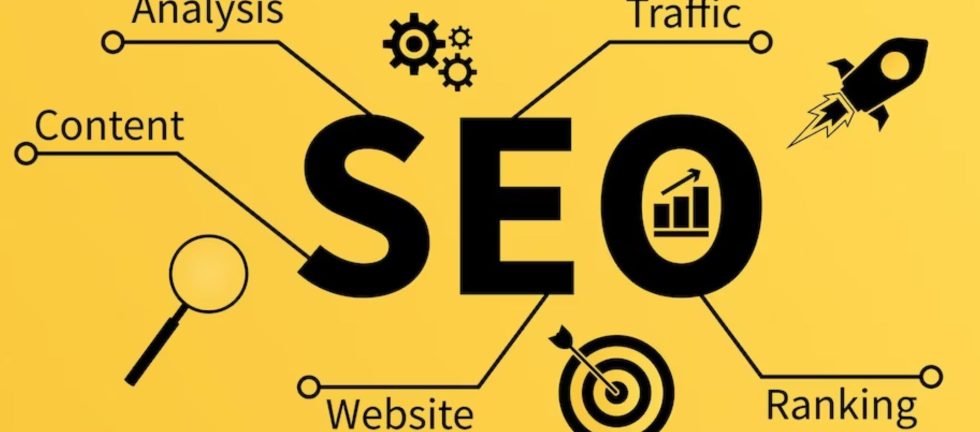
What is SEO Marketing? Definition, Importance, and Types (2025)

SEO marketing is a type of digital marketing that optimizes webpages for search engines like Google, helping your target audience find you more easily. Search engine optimization (SEO) has come a long way since the days of keyword stuffing and clickbait copy. To rank highly in search results on Google and other major search engines, your website’s content needs to match a potential visitor’s intent and appear as an authoritative source on the topic. Here, learn about the different types of SEO marketing and how to improve organic search results for your online store or website. What is SEO marketing? Search engine optimization (SEO) is the practice of optimizing your website to rank higher on search engine results pages (SERPs), ultimately driving more traffic to your site. The goal is to appear on the first page of Google results for keywords that are most relevant to your target audience, using organic techniques such as keyword optimization, quality content creation, link building, and enhancing site performance. How SEO differs from SEM SEO focuses on organic strategies, such as writing a blog post to answer a query, to improve a website’s presence in search results. Meanwhile, search engine marketing (SEM) involves paid marketing tactics like pay-per-click ads. SEO and SEM differ in a few ways, such as: Allocation of money. SEM requires a budget to purchase ads on search engines, social media, and other channels. While you don’t pay to rank on search engines with SEO, you do need to invest in hiring a writer to create content and potentially keyword research tools.  Speed. SEO takes longer than SEM to show results. When you run an ad, you can see the results immediately. SEO, on the other hand, can take months or years to establish domain authority, start ranking high on SERPs, and drive traffic.  Keyword use. An SEO expert can find relevant keywords and create well-written, informative content that can rank on a search engine. An SEM professional uses keyword research, but they must know how to target the phrases for cost-effective ad spending. Why is SEO marketing important? Google drives 63.41% of all US internet traffic, and 42% of online shoppers turn to search engines to research products. With search engines helping users discover brands, search is an important part of running a successful website.  It’s also a more cost-efficient way to increase your visibility. While you might hire writers to create and optimize content, you don’t have to pay for a better spot on a SERP. Additionally, you can measure your SEO marketing efforts through organic traffic, conversion, and rankings, which can help you gauge the effectiveness of your strategies and give you more insight into your visitors.  SEO activities fall into three general categories: 1. On -Page SEO Creating intentional content can help you make a connection with your audience. “I would much rather have 200 people on my website that are reading content that they do appreciate and potentially subscribe to my newsletter because they see value in this content than to have 2,000 of them that just bounce after an article and will never come back to my website,” says Jeremiah Curvers, CEO of mattress band Polysleep, in an episode of DMB Masters. Search engines look for on-page factors like topic relevance and metadata to determine the quality of your content and, in turn, where to rank your site in results pages.  Topic relevance Web pages that rank highly in search engines contain content that closely matches users’ search intent. That means considering what searchers are looking for when they enter queries and then providing the information or services they’re seeking. For example, if the term “masks” brings up results about beauty sheet masks, it wouldn’t be the right keyword for you if you sell Halloween masks.  Best practices for producing relevant SEO content include offering original information, updating facts regularly, and sticking to topics within your website’s area of expertise. Metadata Metadata doesn’t appear on your web pages, so it’s not visible to website visitors. Instead, meta information is within your pages’ HTML code, tagging and labeling content in a way that’s easily digestible for the search engine bots that crawl your site. Keeping meta information comprehensive and updated can increase your chances of ranking. Metadata includes: Title tag. This is the SEO title of a webpage and sometimes the same as the headline. It should include your target keywords.Meta descriptions. Meta descriptions summarize the contents of a web page and show up on the SERP.Robot tags. These tags tell search engines whether to index pages and follow links.For example, Polysleep uses the keyword “baby mattress” throughout the product page copy. 2. Off- Page SEO Backlinks PageRank is part of Google’s algorithm. It surveys the relationships between websites and the content they link to. This ranking system was one of the original ways Google determined its search engine results and remains an important part of SEO marketing strategy. By earning links from respected websites, you’ll increase your topic authority and ranking ability. Essentially, the more quality backlinks you have, the more reputable search engines will consider your site. Domain authority As you create content, build links, and grow your organic search traffic, your website’s domain authority will increase. Domain authority is a measure of a site’s trustworthiness in the eyes of search engines. Websites with high domain authority are more likely to rank in search engine results pages for keywords related to their area of expertise. 3. Technical SEO Mobile-friendliness More than 60% of website traffic now comes from mobile devices. Search engines cater to these users by directing them to sites that offer an enjoyable mobile browsing experience. This includes responsive design, which is when content automatically resizes based on users’ screen size, touch-friendly design, and simplified navigation. Nearly all modern website themes are responsive, but you should always test your website by actually using it on a mobile device. This helps identify potential issues with text, buttons, and speed. Site speed Search
Read more

Online Lead Generation in 2025: Are You Ready for the Revolution?

Remember when AI was just a buzzword and AR was something only gamers cared about? Well, fasten your seatbelts because 2025 will redefine the digital game. The world of online lead generation is undergoing seismic shifts, and if you’re not on board, you’re missing out. Let’s check out the most groundbreaking trends that are not just shaping but revolutionizing the way we connect and convert in the digital space. Ready to get ahead of the curve? Let’s go! 1. AI-Powered Personalization: Beyond Algorithms, Into Conversations We’re in a new era where Artificial Intelligence (AI) isn’t just a futuristic concept—it’s an integral part of our everyday business strategies, with around a third of companies using AI for marketing, sales, and customer support. And as we delve deeper into the world of AI, it’s clear that its potential for reshaping online lead generation is immense. At the heart of this revolution is personalization. Gone are the days of one-size-fits-all marketing campaigns. Today, AI tools, with their advanced machine learning algorithms, are enabling businesses to craft content and campaigns tailored to individual user behaviors, preferences, and needs. It’s about delivering the right message to the right person at the right time, every single time. Integrating AI-powered personalization into CRM systems could offer insights into the entire lifecycle of a lead. From the initial point of contact to post-sale engagement, every interaction could be tailored, ensuring that clients feel valued and understood at every stage of their journey. In essence, the future of AI-powered personalization, especially with tools like ChatGPT, is not just about smarter algorithms; it’s about creating genuine, meaningful, and proactive interactions. For B2B businesses looking to stay ahead of the curve, embracing this next level of AI-driven personalization will be key to forging deeper connections and driving unparalleled growth. This is a key area to watch over the coming years – there’s a serious competitive advantage to be gained for those at the cutting edge. 2. Immersive Experiences with AR & VR: Welcome to the Metaverse Era Remember when AR & VR were just the latest toys for gamers? Those days are long gone. Today, Augmented and Virtual Reality are not just trends; they’re the gateways to the metaverse, a digital universe that’s changing the way we do business. With giants like Meta (formerly Facebook) leading the charge into this new frontier, the metaverse is rapidly becoming the next big thing in marketing. Imagine this: Instead of just telling a potential client about your manufacturing facility for example, you can now invite them for a virtual tour right within the metaverse. They can walk through your production lines, interact with your products, and even attend virtual meetings – all from the comfort of their office or home. But it’s not just about virtual tours. With AR & VR, you can offer potential clients a chance to ‘experience’ your product in a simulated environment. Want to showcase a new piece of machinery? Let them ‘use’ it in VR. Launching a new software? Give them an AR demo right on their desk. The immersive nature of these technologies means that potential leads aren’t just passive observers; they’re active participants. This level of engagement is unparalleled, offering a depth of understanding that traditional marketing tools just can’t match. In a world where the lines between the physical and digital are blurring, AR & VR are your tickets to the metaverse. And with platforms like Meta paving the way, there’s never been a better time to dive in and explore the limitless possibilities of immersive marketing. 3. Voice Search: The Silent Revolution Voice search isn’t just the future; it’s the present. With Siri, Alexa, Google Assistant, and now ChatGPT offering conversational capabilities, the way we seek information is undergoing a transformative shift. These voice-activated tools have moved beyond being mere household staples; they’re essential tools for modern businesses. The beauty of voice search lies in its conversational nature. Unlike traditional typed queries, voice searches are more natural, often phrased as questions or longer statements. This shift requires a fresh approach to content optimization. For B2B marketers, it’s not just about plugging in keywords; it’s about understanding and anticipating the conversational queries potential clients might use. For instance, instead of typing “best CRM software 2023,” a CEO might ask their voice assistant, “Which CRM software is recommended for medium-sized businesses this year?” Recognizing and optimizing for these nuanced queries is crucial. With platforms like ChatGPT entering the voice search arena, the competition is heating up, but so are the opportunities. It’s a clear sign that voice search isn’t just a passing trend; it’s a fundamental shift in how we access and consume information. For B2B marketers, adapting to this shift isn’t just advisable; it’s imperative. 4. Video Marketing: The Visual Edge of Modern B2B Marketing Step aside, traditional content; the visual age is here. In a world dominated by platforms like TikTok, YouTube, and even Instagram’s IGTV, video content isn’t just preferred—it’s expected. But why has video taken center stage, and what does it mean for B2B marketers? Let’s talk engagement. Videos, by their very nature, are immersive. They capture attention, evoke emotion, and most importantly, tell a story. Whether it’s a behind-the-scenes look at your company culture or a detailed product breakdown, videos offer a multi-sensory experience that static content simply can’t match. Consider webinars, for instance. They’re not just presentations; they’re interactive sessions where potential leads can ask questions, dive deep into topics, and engage with experts in real-time. It’s a two-way street of information exchange, fostering a sense of community and connection. Then there are product demos. A well-crafted video demo doesn’t just list features; it showcases benefits. It allows potential clients to visualize how your product or service fits into their operations, solving problems and adding value. It’s one thing to tell a lead that your product is revolutionary; it’s another to show it in action. Live streams take this a step further, offering real-time engagement. They humanize your brand, allowing leads to interact with the
Read more

How to Send an Email to Patients in Bulk

Email messages can be sent to patients in bulk from most reports in PracSuite. Bulk email broadcasts from reports are also referred to as Once-Off Campaigns. Common examples of reports that are used to send bulk emails include: Creating a Once-Off Campaign Start with selecting the report to find patients that you wish to send a bulk email to from the Reports menu at the top of PracSuite. Applied your desired filters and select Generated Report. Above the results grid, you will find a Send Message button, which allows you to send a bulk email (or SMS). The Send Bulk Email window will appear to begin customising the Once-Off Campaign. Selecting the From Email Address The Send From drop-down allows you to select which email address you want to send the email from, which will also be where patient replies are directed. Open and Click Tracking All Once-Off Campaigns are displayed in Reports > Campaigns so that you can track the performance of the campaign. Add a Name to your campaign so that you can easily identify it in the list. Open & Click Tracking is available to provide insight into how many recipients opened the email and how many clicked on links within the email. Open & Click Tracking is only available when using the Send via PracSuite email method. If you select an Outlook or Gmail email as the ‘from address’ and enable Open & Click Tracking, your email will be Sent via PracSuite. The email will still be sent with the same email address and sender name. Click here to learn more about this. Editing Recipients The Send To section details how many total patients in the report results have email addresses. Patients that have an email marketing status of soft opt-out or opt-out will be filtered out by default. If required, you can use the Edit Recipients button to further customize the recipients of the message. Editing the Email Message Content The content for your message can be customized in the Message section. Select the Use Template button to insert an existing template. You can either compose an ad-hoc message or insert an existing email template. Unsubscribe Links When sending bulk emails via reports, unsubscribe links must be included in the message. If you have a preferred place to display the unsubscribe link in your email message, you can manually add the <<EmailUnsubscribe>> merge field. As this merge field is mandatory for emails sent in bulk from any reports, if it is not manually added to your email template, it will automatically be added to the bottom of your message. Previewing and Sending the Message After reviewing the Once-Off Campaign settings and the message content, select Next to proceed to the final step where a Preview of your message will be shown. You can choose to Send Now or Schedule Send, which allows your message to be sent at a later time. Editing a Scheduled Once-Off Campaign If you have chosen to schedule your message to be sent at a later time, you will be able to edit the message content and the time it’s due to be sent from Reports > Campaigns. Scroll to the Once-Off Campaigns grid and select your campaign. After selecting your campaign, select Edit. Here, you can edit your message template as desired and the time the message is scheduled to be sent. Click Save to finalise your changes. Viewing Once-Off Campaign Statistics Statistics for your Campaign can be viewed in Reports > Campaigns. Scroll to the Once-Off Campaigns grid and select your campaign. You will be able to see a history of the patients that the message was sent to, which of those patients opened or clicked links in the email, and which patients the email failed to send to. If your campaign has been sent via the Outlook or Gmail integration, only Sent and Failed statistics will be available. Get More Info : Bulk Email Sending Service in Pakistan
Read more

The Benefits of Using Social Media Advertising for Real Estate

Enhancing Customer Engagement Through comments, shares and likes, real estate social media advertising enables real estate companies to interact directly with their audience. This two-way communication not only strengthens relationships but also provides valuable insights about your customers’ preferences and behaviors. For instance, tracking the type of content that garners the most engagement can help businesses discern what resonates with their audience. Real estate professionals and property developers can track and increase engagement on their social media accounts by: Measuring Metrics: Monitoring likes, comments, shares, and Click-Through-Rates helps to build a picture of which ads are working. Observing Increases in Followers: Any significant increases show specific advertising strategies that resonate with your audience. A/B Testing: Experimenting with headlines, CTAs and photos to see which social media marketing strategies work. Audience Segmentation: Providing content that truly resonates with your target demographic. Monitoring Reach and Impressions: Checking how many unique clicks and impressions you achieve on each post. Additionally, the feedback and discussions happening in the comments sections are perfect for gaining insights into customer concerns, questions or desires regarding specific properties or locations. Measurable Results One of the greatest advantages of social media advertising is that it’s measurable. Platforms provide detailed analytics so you can track the ROI of your ads, understand what’s working and adjust your strategy accordingly. This data-driven approach allows you to create more effective and efficient real estate social media marketing strategies. For example, through analytics, you can gauge the click-through rates of your ads, monitor conversion rates and even assess audience demographics and behavior. Knowing who your content resonates with can be invaluable for targeting specific groups, such as those seeking luxury real estate buying and selling opportunities. Key Takeaway In the competitive world of real estate, social media advertising offers an effective and efficient way to reach potential clients, generate real estate leads and build brand awareness. Whether you’re looking to attract local buyers or international investors, social media advertising is a cost-effective tool that can deliver measurable results. Get Social Media Services in Pakistan   
Read more