Asia 1st Internet Advertising & Digital Media Marketing Company
Digital MarketingDigital MarketingDigital Marketing
0337-7555540
sales@yis.solutions
D.H.A. Phase 7, Karachi, Pakistan

4 Columns : Full Width

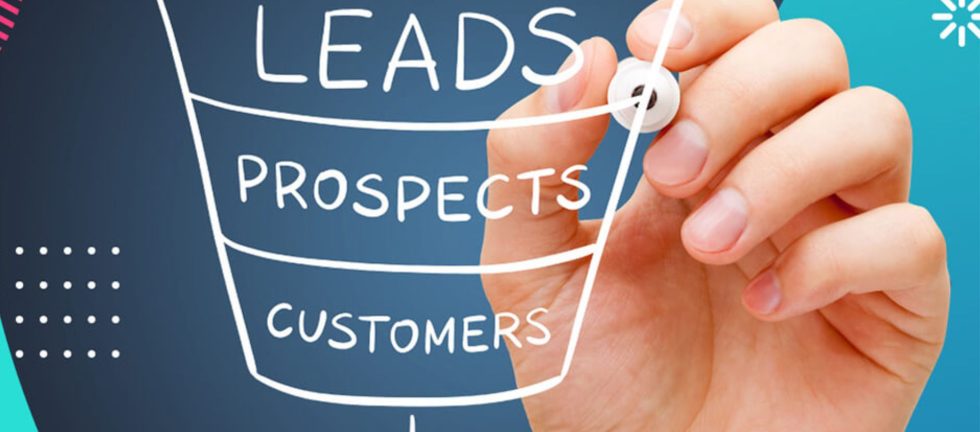
Top 6 Lead Generation Trends to Watch for in 2025

As we approach 2025, lead generation will continue to evolve. Technological advancements and shifting consumer behaviors have made sales cycles more complex, making it crucial for businesses to stay ahead of the curve. Whether you’re looking to refine your lead generation strategies or need fresh insights, this blog post is for you. We’ll explore the top lead generation trends to watch for in 2025, helping you better prepare for the changes ahead. What is Lead Generation? Lead generation is the process of attracting and converting prospects into potential customers. It involves a series of strategies and tactics designed to capture the interest of individuals or organizations interested in purchasing your product or services. Leads can come from various sources, including advertisements, website visits, social media interactions, email sign-ups, and event registrations. Lead generation is a critical component of the sales funnel, helping businesses to identify, nurture and guide potential customers through the buying journey. By generating quality leads, companies can build a steady pipeline of prospects, close deals, and drive revenue growth. Why is Lead Generation Important? Lead generation is vital for several reasons: Revenue Growth: Attracting new leads helps your business to maintain a healthy pipeline that drives sales and revenue. Not every lead will be your ideal target or have the budget to support your services. Whether you’re tracking leads through a CRM or another analytics platform, it is important to weed out those unqualified leads and focus on the qualified ones to drive revenue. Market Expansion: Effective lead generation strategies help your business reach new markets and tap into new customer segments by identifying and engaging with potential customers who align with your products or services Cost Efficiency: Targeted lead generation helps focus your resources on prospects that are more likely to convert. This requires identifying your audience. Who are they (industry and job titles)? Where are they? What are their pain points? What is their solution? Identifying your target and customizing efforts allows for marketing and sales efforts to be efficient. Building Relationships: Lead generation is not just about acquiring new customers. It’s also about nurturing relationships and building trust with potential customers over time. This could look like a check-in email, phone call, supporting them at an event, or a lunch meeting. Building customer relationships can lead to client referrals or additional opportunities. Given its importance, staying updated on the latest trends in lead generation is important to remain competitive in 2025. 6 Lead Generation Trends to Watch for in 2025 AI- Powered Personalization Artificial Intelligence (AI) has already transformed how businesses approach lead generation. In 2025, its influence will only grow stronger. At the forefront of this evolution are large language models, also known as LLMs, like ChatGPT-4, which enable companies to craft highly personalized marketing campaigns. These AI-driven strategies ensure messaging resonates with customers by delivering tailored content, offers, and experiences to individual prospects. Tools like Google Looker Studio will continue to use AI to analyze vast amounts of data, providing insights into customer behavior and preferences. Using AI as a personalization tool can lead to a well-rounded lead-generation strategy that will pull in qualified prospects. Video Content Video content will continue to dominate in 2025, but its role in lead generation will become even more significant. You can leverage video across platforms like TikTok, YouTube, and LinkedIn to attract and engage potential leads. Interactive videos, live streams, and short-form content capture attention and can drive form or website traffic. Video content is highly engaging and conveys complex information quickly, making it a powerful tool for attracting and converting leads. Cross Platform Lead Nurturing As digital platforms grow, nurturing leads across multiple touchpoints like social media, email, SMS and apps will become more necessary, ensuring a consistent experience. This will require alignment between sales and marketing to identify those platforms and what that nurturing process looks like. Maybe it’s a connection request and message on Linkedin and followed by an email a few days later. These cross-platform lead nurturing strategies ensure that touchpoints with potential customers aren’t missed. Enhanced Data Privacy and Transparency With growing concerns around data privacy, there continues to be a heightened emphasis on transparency in lead generation practices. Consumers are becoming more cautious about sharing their personal information, and businesses must be upfront about how data is collected, stored, and used. Compliance with privacy regulations will be non-negotiable, and businesses prioritizing transparency will build stronger trust with their audience. Trust is a critical factor in lead generation. Companies that demonstrate transparency in their data practices will more likely attract and retain leads. Rise of Account Based Marketing (ABM) Account-based marketing (ABM) will continue to gain traction in 2025 as a targeted lead-generation strategy. ABM focuses on identifying and engaging high-value accounts with personalized marketing efforts. This approach allows businesses to concentrate resources on prospects with the highest potential for conversion, leading to more efficient and effective lead generation.ABM enables precise targeting and personalized outreach, leading to higher conversion rates and stronger relationships with key accounts. More Experience Offers Offering exclusive experiences—such as events, workshops, audits, or product and service trials—will become a key lead generation strategy. These experiences provide valuable insights and solutions, giving potential customers a taste of what your brand can offer.   Grow Your Leads and Thrive in 2025 The lead generation landscape is evolving and 2025 will bring new challenges and opportunities for businesses. Lead generation will remain a critical driver of growth, and those who adapt to these emerging trends will be well-positioned to thrive in 2025 and beyond. Click here to get Lead Generation Services 
Read more

What is an email server?

When you send an email, an email server is a software program that picks it up and delivers it to your subscribers’ inboxes. There are two main types of email servers: How does an email server work? Email servers distribute emails using protocols that tell them where and how to direct emails. Protocols can have various functions, such as: Once you send an email, an outgoing email server will check the recipient’s domain name system (DNS) and translate it into an IP address the incoming server uses to deliver the message to the right destination. Once the incoming server forwards your message to the recipient’s inbox, their inbox provider checks your IP address and sender reputation to decide whether to deliver the email and which folder to place it in. The server will bounce the email if it runs into an issue, such as: Why are email servers important for email marketing? Besides delivering your emails to a single address, email servers can distribute them to your entire email list or chosen customer segments in no time. For this reason, they’re key in making sure your email marketing initiatives have high deliverability. You can monitor your email deliverability, evaluate your email performance, identify bottlenecks, and make changes to maintain a stellar sender reputation. Makes it easy to send email campaigns and flows to stay connected with your target audience.
Read more

Data Cleansing: How It Boost Email Marketing ROI

Have you ever wondered why your meticulously crafted email campaigns sometimes fail to resonate with your audience? At this time, picture this scenario: you invest time and effort in curating a compelling message, but are you confident that the data supporting your outreach is as polished as your content? Moreover, are you reaching the right audience with precision? However, the answer lies in the transformative power of data cleansing, a dynamic process that ensures your contact database is a well-honed instrument rather than a jumbled assortment of outdated and inaccurate entries. Data cleaning is always the linchpin for a successful email marketing strategy in the fast-paced digital communication world. Furthermore, it actively purges inaccuracies, duplicates, and obsolete information, paving the way for targeted and effective campaigns. Now, imagine the impact of reaching out to a potential client with outdated contact details or, conversely, inundating a loyal customer with redundant promotions. Evidently, the real-time relevance of your campaigns hinges on the accuracy of your data. At this time, data cleaning ensures that your outreach aligns seamlessly with the present realities of your audience. Yet, the journey toward email marketing excellence doesn’t halt at cleansing alone. However, the twin forces of data enhancement and data appending step into the spotlight. Definitely, it presents opportunities to correct and enrich your dataset. Subsequently, as we explore how these practices synergize to boost your email marketing return on investment, we’ll also navigate the delicate terrain of handling sensitive data responsibly. In addition, this blog will discuss the pivotal roles of data cleaning, enhancement, and appending in shaping a robust email marketing strategy. Therefore, let’s dive in and uncover the strategies that propel your campaigns to new heights. Understanding Data Cleansing: A Proactive Approach to Data Quality In email marketing, data cleaning always encapsulates a meticulous process of identifying and correcting database errors. Subsequently, it removes inaccuracies, duplications, and outdated information, ensuring the database is a reliable foundation for marketing endeavors. The Impact of Data Cleaning on Email Deliverability Rates In the intricate web of email marketing, however, the lifeline of any campaign lies in its ability to reach the intended audience. Surprisingly, this journey begins with the critical metric of email deliverability, a measure of how successfully emails navigate their way to recipients’ inboxes. In this section, consequently we explore the profound impact of data cleansing on the often-overlooked aspect of deliverability rates. Understanding Email Deliverability as a Cornerstone Metric Email deliverability is more than just a statistic; it’s the bridge between a well-crafted message and its reception by the target audience. Therefore, ensure that emails avoid the detours of spam folders. Thus, making it to the primary inbox is fundamental for the success of any email marketing endeavor. Consequently, this aspect becomes even more crucial as businesses seek to establish genuine connections with their audience through personalized content. The Role of a Clean Database in the Deliverability Equation A clean and well-maintained database always emerges as the unsung hero in the quest for optimal deliverability rates. Definitely, think of your database as the foundation on which your email campaigns stand. Just as a shaky foundation compromises the stability of a structure, naturally, an unclean database jeopardizes its reach. Indeed, it also influences your email marketing endeavors. Unquestionably, regular data cleaning becomes the cornerstone. Definitely, it ensures your database is free from inaccuracies, outdated entries, and duplicates. Otherwise, without a doubt, it might hinder the smooth flow of your communications. Reducing Bounce Rates: The Direct Benefit of Data Cleansing Bounce rates, a nemesis for any email marketer, naturally often result from sending emails to invalid or non-existent addresses. Besides, data cleaning actively mitigates this risk by identifying and rectifying inaccurate information within your database. In addition, with each cleansing cycle, businesses systematically reduce the likelihood of encountering bounce-backs. Evidently, it facilitates a more direct and reliable pathway for their messages to reach the intended recipients. Ensuring Inbox Placement and Avoiding Spam Filters One of the primary challenges in email deliverability is steering clear of spam filters. In fact, emails flagged as spam fail to make an impact and damage the sender’s reputation. Yet, proactively cleaning data keeps the database pristine and minimizes the risk of misclassifying emails as spam. By adhering to best practices and maintaining the cleanliness of the data, businesses always ensure that their messages land in the inbox, where they can captivate their audience’s attention without the shadow of spam Enhancing Precision with Data Appending in Email Marketing In the intricate landscape of email marketing, precision is not just a goal but a necessity. Appending sensitive data, a seamless extension of the data cleansing process, definitely, is a pivotal strategy to elevate precision. Besides, this section delves into the transformative power of data addition, elucidating how it enriches existing datasets to provide a more nuanced understanding of the target audience. Unlocking the Power of Appending of Data Appending data is always a strategic process wherein businesses augment their existing datasets with additional, valuable information. Since it goes beyond mere correction, actively filling in the gaps within databases. Following this, picture your dataset as a canvas and append data as the artist’s brush, adding layers of detail and depth. Simultaneously integrating supplementary data, businesses gain a more comprehensive and detailed audience perspective.. Enabling Personalization through Appending Data One of the immediate benefits of appending data is the heightened ability to personalize marketing efforts. Now, imagine sending an email that addresses the recipient by name and caters to their preferences and behaviors. Concurrently, appending data makes this level of personalization achievable by adding information such as purchase history, preferences, and even communication channel preferences. Therefore, this precision in targeting lays the foundation for more engaging and resonant email campaigns. The Synergy of Data Cleansing and Data Enhancement Data improvement, a broader term encapsulating data cleaning and appending, emerges as a holistic approach to refining the quality of customer information. It transcends the mere correction of errors or the addition of missing details. Instead, it
Read more

Digital Marketing for Real Estate: The Complete Guide for 2025

People have been staking their claims on plots of land since Neolithic times. Establishing a home base allowed families to flourish and communities to thrive. Real Estate as we know it, however, has only been around since the 1900s. Once a process only available to the rich, the invention of mortgages and investments made the industry accessible and profitable. Most marketing initially consisted of referrals from family members and trusted friends. Later on, with the advent of printing, television, and other forms of media, real estate companies could reach a wider pool of potential customers. In the modern age, techniques like these are eclipsed by the advent of real estate digital marketing. What is digital marketing for real estate? What does it include, and what kind of results can it give your real estate business? Let’s explore that together! Sigificance of Digital Marketing in Real Estate Real estate digital marketing is more than just another way to find the right customers for your properties. Real estate projects need to invest time and energy in their digital real estate marketing strategy. Why? According to the National Association of Realtors, 100% of homebuyers now use the Internet to make their decisions from start to finish. That’s right–every one of your potential real estate consumers is there waiting to find you, eager to get your help in finding their forever homes and dream properties. Knowing this makes digital marketing in real estate vital to your success. Whether your local real estate industry is small or large, urban or rural–or even if you’re dealing with luxury vacation and rental properties–it’s essential to have a digital footprint. A comprehensive marketing strategy can promote any real estate related business. Professional agencies provide mortgage marketing services, manufacturing and not only. Overview of Current Trends in Real Estate Digital Marketing In the past, the real estate business has been an in-person experience that can get tiring for both the homebuyer and home seller. Spending precious free time researching and touring properties, feeling the pressure of making significant financial decisions quickly, and getting all the necessary paperwork and inspections in order is enough to make a buyer want to give up before they even begin. In our digital age, so much of the shoe leather that used to be typical of a property buying experience can be easily replaced by real estate online marketing. A potential customer can view many properties on their own time, surrounded by all of the decision-makers in their family and from the comfort of their couches. Maximize Property Potential: Digital Marketing Solutions Tailored for Real Estate Success If you’re selling homes to new families or negotiating funds to build the luxury properties that retirees dream of, it’s essential to have a digital marketing plan that fits your business. Count on the team to know how to maximize your budget and minimize your risk. It’s not just the buyers who can benefit from digital real estate marketing–the industry has boomed thanks to various ways to highlight their properties and connect with people ready to buy. Real estate digital marketing saves time, money, and energy for everyone involved, making real estate deals increasingly less exhausting. Most Effective Digital Marketing Strategies for Real Estate  With so many possibilities available, deciding which ones to use and how to use them can be overwhelming. The most innovative companies use a real estate digital marketing agency to assist them in creating and implementing real estate marketing content. Here’s an overview of the most effective real estate digital marketing strategies. Run Targeted Social Media Advertising Social media is everywhere, and when it comes to real estate digital marketing strategy, it is the most powerful way to achieve brand exposure. For example, online marketing for real estate can include: offering online photo galleries recording short videos for your social feed doing live walkthroughs of your properties, and  engaging with your viewers You can cement your reputation in the market, all with a few clicks of a mouse.  The beauty of social media is the uniqueness of the customer base on every platform. For example, if you’re targeting families, Facebook is your likely best platform. Instagram can make your space seem hip and trendy, especially when you include influencers.  Beyond simply posting things online, you can be even more strategic with your real estate digital marketing budget by creating ads. Implement Pay-Per-Click (PPC) Advertising How do you stand out in the virtual sea of the competitive industry? You can’t count on any one digital platform to get your properties in front of the right eyes. With Pay-Per-Click Advertising, you can seek out the motivated clientele you want to work with efficiently and affordably.  With online databases such as Zillow and Realtor.com, your listings are nothing more than words on a website. Using PPC advertising gives you the advantage of: directing your customers to your website bypassing the noise, and  getting you direct access to connect.  Another bonus of PPC advertising is having complete control over how much money you spend and how you spend it. Optimizing your investment is one of the most significant pluses of creating your PPC campaign.  And if that seems too daunting to handle on your own, you can hire a full service digital marketing agency to guide you in making the best decisions for your goals. Promote Your Website in Search Engines (SEO) SEO is that mystical bunch of letters that no one seems to understand. Search Engine Optimization is worth learning about when it comes to digital marketing for real estate because it is the workhorse of your real estate digital marketing strategies. Search Engine Optimization, aka SEO, is the process of improving the visibility of your website by using the particular words (also known as ‘keywords’) that your customers will be searching for when they go to a search platform. If you are selling luxury vacation cabins on the beaches of Costa Rica, you want to find buyers who are in the market for those exact things, not a split level in the suburbs. Using SEO effectively ensures the words’ luxury,’ ‘beach,’ ‘cabin,’ and ‘Costa Rica’ are
Read more

Facebook vs LinkedIn: The Superior Platform for Businesses

When it comes to social media platforms for businesses, two names immediately come to mind: Facebook and LinkedIn. Both platforms have millions of users and offer various tools and features to help businesses connect with their target audience. But which platform is truly superior for businesses? In this article, we will compare Facebook and LinkedIn, exploring their strengths, weaknesses, and the specific benefits they offer to businesses. By the end of this article, you will have a better understanding of which platform is best suited for your business’s social media marketing efforts. Facebook: The Power of Targeted Advertising One of the key strengths of Facebook as a marketing platform is its powerful targeting capabilities. With over 2.8 billion monthly active users, Facebook provides businesses with unparalleled access to a massive audience. Furthermore, Facebook’s robust targeting options allow businesses to reach specific demographics, interests, and behaviors, ensuring that their advertisements are seen by the right people. Another advantage of advertising on Facebook is its advanced analytics and reporting tools. Businesses can track and measure the performance of their ads, gaining valuable insights into their audience’s preferences and behaviors. This data can then be used to optimize future campaigns and improve overall marketing efforts. LinkedIn: The Networking Hub for Professionals While Facebook is a platform that caters to a wide range of users, LinkedIn focuses specifically on professionals and businesses. With over 740 million users, LinkedIn offers businesses a unique opportunity to connect with a highly targeted audience consisting of professionals, industry leaders, and decision-makers. LinkedIn’s primary strength lies in its networking capabilities. Businesses can leverage LinkedIn to build and maintain professional relationships, join industry-specific groups, and collaborate with like-minded individuals. By actively participating in LinkedIn’s networking features, businesses can establish themselves as industry experts and strengthen their brand presence. Facebook: Building Brand Awareness and Engagement One of the biggest advantages of utilizing Facebook for business purposes is its ability to build brand awareness and engagement. With its user-friendly interface and emphasis on visual content, Facebook provides businesses with a platform to showcase their products or services creatively. Furthermore, Facebook’s engagement features, such as comments, likes, and shares, allow businesses to interact with their audience on a personal level. This interaction not only helps build brand loyalty but also generates valuable user-generated content that can be used for future marketing efforts. LinkedIn: Establishing Thought Leadership LinkedIn is widely regarded as the go-to platform for professionals looking to establish thought leadership and share industry-specific knowledge. By regularly sharing informative and insightful content, businesses can position themselves as industry experts and gain the trust and respect of their LinkedIn connections. Moreover, LinkedIn’s publishing platform, LinkedIn Pulse, allows businesses to reach a wider audience by publishing long-form articles. These articles can drive traffic to a business’s website, increase visibility, and generate leads from professionals who are genuinely interested in the industry or topic being discussed. Facebook: Cost-Effective Advertising Another area where Facebook shines is its cost-effective advertising options. With a variety of ad formats, including image ads, video ads, and carousel ads, businesses have the flexibility to choose the advertising format that best suits their goals and budget. Furthermore, Facebook’s bidding and targeting options enable businesses to maximize their ad spend by reaching a highly relevant audience at the lowest possible cost. This makes Facebook an ideal platform for small businesses or startups with limited marketing budgets. LinkedIn: B2B Marketing Opportunities LinkedIn’s focus on professionals and businesses makes it an excellent platform for B2B marketing. With its advanced targeting options, such as job titles, company size, and industry, businesses can narrow down their audience to reach decision-makers and key stakeholders. Moreover, LinkedIn offers specialized advertising features specifically designed for B2B marketing, such as Sponsored InMail and Dynamic Ads. These features enable businesses to deliver personalized, targeted messages to their audience, increasing the chances of generating quality leads and driving conversions.           Frequently Asked Questions 1. Can I advertise my business on both Facebook and LinkedIn? Yes, businesses can advertise on both platforms simultaneously. It’s important to consider your target audience and marketing goals to determine the best allocation of resources between the platforms. 2. Which platform is better for B2B marketing? LinkedIn is generally considered the superior platform for B2B marketing due to its focus on professionals and its targeted advertising options. 3. Can I use LinkedIn for B2C marketing? While LinkedIn is primarily known for its professional networking capabilities, businesses can still leverage the platform for B2C marketing by focusing on targeting professionals who may be potential customers or influencers in their purchasing decisions. 4. Can I use Facebook for lead generation? Yes, Facebook offers various lead generation tools, such as lead forms and conversion campaigns, to help businesses capture leads directly on the platform. 5. Which platform is more suitable for small businesses with limited budgets? Facebook’s cost-effective advertising options and wider reach make it more suitable for small businesses with limited budgets seeking to maximize their marketing efforts.
Read more

Instagram vs. facebook: what’s the better marketing avenue?

When Facebook bought Instagram in 2012, were they preparing to train a successor? Back then, the billion-dollar acquisition was a bold move, and many criticized Facebook for spending so much on a dinky photo app run by just 13 employees. No one questions the move now, however; although exact amounts are unknown, rough estimates put Instagram’s current value at around $102 billion, ten times the acquisition cost. To be fair, Instagram can’t compete with Facebook on the sheer number of users. Instagram’s 800 million monthly users may have made it the third most popular social media channel, but it’s still a far cry from reigning champion Facebook’s 2 billion monthly users. So why not invest all your digital marketing money in Facebook and reach twice as many people? Because, as we explain below, it’s not about the quantity of impressions, it’s about the quality. And for digital brands targeting younger (< 30 y.o.) groups, your marketing dollars might go further on Instagram, especially for visual industries like fashion, beauty, or even architecture. Later, we’ll explain how to shift your strategies to make the most out of marketing on both platforms. But first, let’s look at how a relatively smaller channel can make bigger waves. It’s all about their DNA, which, for social media, is another way to say their algorithms. Instagram vs. Facebook: the algorithms Long story short, it’s not about your visibility per se, but more about your visibility with the right people. Getting back to basics for a moment, the algorithm for a social media feed refers to the actual code that determines which posts are seen by which users, and in what order. Long gone are the days of chronological feeds where posts appear in the order they were published—and good riddance, frankly, considering this organization structure doesn’t scale well when you follow hundreds of accounts. So, social media channels use algorithms to give you a more fulfilling experience, where you see more posts you actually like and less of irrelevant ones from your weird aunt. But don’t pat these channels on the back for their altruism—the algorithm also gives them more control over their advertising ventures. As you can imagine, this isn’t an exact science, so each social media channel has to shoot in the dark a little when determining the right criteria on which to organize their feeds. Therein lies the difference between marketing on Facebook versus marketing on Instagram. So what does Instagram’s algorithm do better for marketing? The actual algorithms are unknown trade secrets, but Alfred Lua of Buffer researched both the algorithms for Facebook and Instagram, and came up with some speculations that proved accurate when tested. These are the factors that determine a single (non-advertisement) post’s rank. Instagram’s Algorithm Facebook’s new algorithm The goal of the update was to prevent fraudulent news stories by encouraging more personal conversations, but the consequence is less exposure to brands and public content. It seems like a coordinated strategy with Facebook compartmentalizing its two channels. Minimizing third-party exposure on Facebook will return the channel to its more personal social roots with friends and family, while simultaneously drumming up business for its advertising (it’s not harder for brand posts to be seen for free). But social media marketers can still promote their brand on Instagram for free, and with even better results, as long as the content is sound. Instagram vs. Facebook: marketing effectiveness Now that we’ve looked behind the scenes, let’s look at what’s happening on the main stage. To wrap a nice bow around it, Instagram is better for direct marketing: engaging with customers, spreading awareness, showcasing new products/services, comparison shopping, and influencer marketing. Furthermore, Instagram is a powerhouse for the under-30 demographic, especially teens. Facebook, on the other hand, remains the best for visibility with older age groups, as long as you’re using paid advertisements. It’s also worth noting Facebook makes it easier to funnel users to a third-party site like an online store. Instagram prohibits link sharing in posts and comments, and any outside links appear in your bio only; the extra steps required to visit your site make it harder to generate traffic. A lot of it boils down to the motives of each person using each site. In principle, Facebook tries to be more about personal interactions and sharing content with people you know. As such, 40% of Facebook users don’t like engaging with companies at all, preferring more intimate connections. Instagram, though, places more emphasis on discovery and observation and less on interaction—although ironically, their engagement rate is much higher. Particularly for Millennials, Instagram is seen as a style resource, an ideal place for learning new trends and discovering new artists, as well as keeping up with their favorite celebrities. As you can see by the chart below, Instagram dominates industries like fashion, beauty, interior design, architecture, photography and celebrity news. This makes Instagram better for influencer marketing and free exposure; users on Instagram more often sign on actively looking for product recommendations, as opposed to Facebook where they actively ignore them. Instagram’s other advantage is customer engagement. A 2014 Forrester study put Facebook’s engagement rate at 0.7%, a huge lag behind Instagram’s 4.21%. A Selfstartr study brings more up-to-date statistics: Only 32% of Facebook users regularly interact with brands, compared to 68% of Instagram users. Their final tally cites that brands receive 58x more engagement per follower on Instagram than on Facebook. A lot of that has to do with Facebook followers not even seeing the posts in the first place, thanks to the algorithm. According to the above Selfstartr report, while Instagram brands reach 100% of their audience per post, that number drops drastically to 6% for Facebook. Maybe it’s the mindset of users, or perhaps the limitations Facebook’s new algorithm puts on brands, or maybe it’s simply the culture of each channel. Regardless, Instagram is the winner for having an actual back-and-forth with customers. And let’s not forget the presence of competition or lack thereof. The presence of marketers on Facebook is nearly 3x that of
Read more

Email marketing trends in 2025

“The global e-mail marketing market was valued at $7.5 billion in 2020 and is projected to increase to $17.9 billion by 2027.” At least, that’s what Statista says. Want to get successful in your industry? Adopt the newest email marketing trends, and success is bound to come your way. After all, being a progressive business on the cusp of industry trends always pays off when it comes to attracting customers. Ready to learn what’s hot and what’s not for the email marketing future in 2025? Keep reading! #1: Email marketing automation Email marketing automation ensures consistent and cohesive communication between subscribers and brand. Take a drip campaign, for example. Instead of bombarding users with everything all at once, each email is triggered by specific actions, making the communication feel way more personal and friendly. And hey, since information comes in bite-sized “drips,” no one’s stuck reading a mountain of text. Here is how you can optimize your marketing efforts: Make use of email templates. Automate mailing list scrubbing. Send automated transactional emails to your customers. Automate the onboarding process with a series of email drips. Automate email lead nurturing. Pro Tip : All of these are rightly related to other email marketing industry trends, such as email marketing gamification. Gamified solutions offer a competitive advantage by standing out among the rest of the emails in the subscriber’s inbox. Still, it’s nothing complicated. For instance, why not create a simple holiday quiz in a free web form generating tool? #2: Ultra-personalization Regardless of email marketing latest trends, the end goal of any email marketing campaign is to generate more revenue. Over the last couple of years, marketers have concluded one of the best ways to do so is through complete personalization of user experience. Let’s face it — in today’s world of content overload, the last thing a person wants to see in their inbox is yet another useless email, irrelevant to their hobbies and needs. Now let the statistics speak  88% of your customers check email every day 408.2 billion emails will be sent every day by 2027 On average, customers spend between 2 and 8 seconds on reading your email Tuesday is the favorite day for your customers to receive an email (35% of the respondents think so) 48% of your customers would gladly give their email address to receive a discount 79% of millennials and 57% of Gen Z members like being contacted by email Lack of email marketing campaign personalization can result in anything from mailing list degradation to an overall failure of the email marketing campaign because of its skyrocketing costs. This trend is particularly hot, and the importance of personalization strengthens every day. That’s why the business world is expected to focus on hyper-personalization as one of the top e-mail marketing trends in 2025, as opposed to just personalizing parts of campaigns. Pro Tip : To embrace 2025 email marketing trends, make personalization a key part of your strategy. Tailor messages and promotions by audience segment. Recommend products or content by audience segment. Send triggered emails based on visitor behavior. Recommended products or content per individual. #3: Artificial intelligence Despite the widespread AI adoption as one of the latest email marketing trends, up to 60% of marketers feel threatened by AI. But you need to remember that AI isn’t meant to replace you, it’s meant to optimize your workload and help you scale your email marketing efforts. AI helps to write subject lines. AI allows you to send personalized emails to each prospect. AI restructures your email campaigns to maximum effectiveness. AI cleans up email lists. AI helps to build mailing lists. #4: Interactive emails Interactivity has already been around for a while among all those latest trends in email marketing but is only going to grow stronger in 2025. You’d wonder, ‘Why”  Because interactive responsive emails are the holy grail of email marketing. They boost customer engagement and increase email interaction. Some specific interactive email elements are expected to sizzle in 2025… Animated buttons and CTAs Rollover effects to showcase product offering Interactive image and product carousels, controlled by the user Accordion features designed to make long-form emails more compact Surveys, polls and user-generated interactive content #5: Mobile-first Let’s face it: we’re living in a mobile-dominated world. While marketers, designers, and copywriters might be crafting those perfect emails from their spacious desktop screens, people open a whopping 68% of email campaigns on mobile devices. It’s not just about keeping up with the times; it’s about understanding where your audience is. And if your emails aren’t cutting it on mobile, you’re not just missing out on clicks; you’re missing out on potential business. Sounds like gloomy email marketing predictions, right? It’s not just about keeping up with the times; it’s about understanding where your audience is. And if your emails aren’t cutting it on mobile, you’re not just missing out on clicks; you’re missing out on potential business. Sounds like gloomy email marketing predictions, right? How to craft copy that works on mobile : Don’t write novels. Keep your texts crisp, clear, and compelling. Think bullet points, not essays. On mobile, you’ve got 25-30 characters to make an impression in the subject line. Make them count. How to design with mobile in mind: Not all phones load images by default. Design with a no-image scenario in mind. Your message should still come across. Position your CTAs in the middle of the screen. And remember, fingers aren’t as precise as mouse pointers. Size matters. Space things out. Avoid link clusters. Make it easy for your readers to tap the right link. Optimizing for mobile isn’t just one of the email marketing best practices for 2025, it’s a necessity. It’s about meeting your audience where they are and delivering value every single time they click ‘Open’. So, the next time you draft that perfect email, remember: ‘Think mobile-first.’ #6: Sustainable email marketing Email marketing is paperless. It’s a digital substitute for traditional mail that saves a ton of trees. However, as we progress into the digital age, it is critical to
Read more

The 8 SEO Trends That Will Shape Search in 2025

“SEO is dead.” That’s an easy conclusion to come to after the last few years. Turbulent rankings, increased zero-click searches, and AI-fueled SEO heists feel like the final nails in the search coffin. The truth is, what actually died is the 2015 version of SEO. It’s no longer just about climbing a list of little blue links on Google. New technology, user behavior, and regulations changed that. Billions of people still use the internet to search for answers—it just happens in new places and in new ways. SEOs who recalibrate their strategy to meet these opportunities will find plenty of new customers from search. We’ve reviewed recent data, read through Reddit and LinkedIn, and spoken to SEO experts to bring you the most important SEO trends for 2025. Use them to drive growth from search this year. Contents AI in search results will continue to expand Answer engines may become top non-Google traffic sources Community search results are here to stay Optimizing for sales in SEO will be more important First-hand experience becomes a critical SEO trend in 2025 The shift to user-centric SEO crystalizes We’ll need to address zero-click searches Saying “SEO is dead” finally dies The top SEO trends of 2025 Search engines and practices are evolving quickly. But SEO continues to be a top place people go to learn. These are the top SEO trends you should be aware of for 2025.   1. AI in search results will continue to expand After about a year of optional experimentation, Google unleashed its AI Overviews (AIO) on US results pages in May 2024. The reactions and results—both positive and negative—rolled in rapidly. This year, expect Google to expand its use of AIOs and other generative AI features to more queries. The appearance of AI Overviews is increasing. In June last year, they showed up in about 7% of searches. By November, that number jumped to nearly 20%. For some informational-intent heavy industries, like business and technology, over a third of SERPs had an AIO. Google is also testing other applications for AI on SERPs. SERP analyst Sachin Patel showed AI-generated answers he found in the Things to Know feature. Sachin also posted about an experimental “Get an Explanation” button that pops up when you highlight text in a SERP. Click it, and you’ll get an AI-generated answer in the sidebar. While more AI answers in SERPs will lead to more zero-click searches (we’ll cover that in a bit), they could also have a couple of benefits for SEOs. First off, Google seems to be reacting to content creators’ pushback by adding more citation links in its AIOs. SEO expert Lily Ray pointed that out recently. Second, AIOs may present smaller websites a chance at SERP placement they didn’t have before. Semrush’s study found that while the average AIO had 11 citation links, there was only a 20% to 26% overlap between AIO citations and links in the top 10 SERP spots for that query. This opens up opportunities for websites that may not have a lot of traffic or backlinks to find different placements on the SERP. Any website hoping to snag an AIO citation still needs excellent, authoritative, and novel content that answers specific questions to do it—which we’ll see infused in several other SEO trends for 2025 (see more AI marketing trends here). 2. Answer engines may become top non-Google traffic sources We’ve already talked about how AIOs are expanding. But other big AI players are also growing in the search answer engine space, and they’re attracting more search users along the way. That’s driving an uptick in non-Google search referral traffic that will accelerate in 2025. OpenAI launched ChatGPT search at the end of 2024. It’s already estimated that the AI behemoth will garner 1% of the search market this year. That may be a small slice, but it’s from a very large pie. Meanwhile, Perplexity, one of the first true answer engines to use up-to-date online information, has amassed over 15 million users. While that pales in comparison to Google’s roughly three billion regular users, it does show a significant quarterly growth trend. Perplexity places citations prominently at the top of the page, driving its growth in referral traffic. The big news here is the swift acceleration of referral traffic coming from these two new answer engines. Overall, referral traffic is up 44% from ChatGPT and 71% from Perplexity. One review of a diverse set of websites showed a 145x increase in referral traffic from ChatGPT just since June. With the carrot of new traffic sources will come the rise of AEO (answer engine optimization). Marketers looking to capitalize will need to know which parts of traditional SEO cross over and which new tactics are required to land a citation in AI-generated answers. 3. Community search results are an ongoing SEO trend Heman Patel, senior SEO analyst at LocaliQ, sees online communities as a big focus area for SEOs in 2025. “Community search results are here to stay,” he said. “Google will continue to show search results from forums and communities like Reddit and Quora. Businesses should engage with communities where their customers hang out.” We saw forums, especially Reddit, get a huge lift from the August core update. That’s when Google really began prioritizing forum content in SERPs. That made Reddit the third most visible website in results pages, quadrupling the traffic it got from Google. Quora and Reddit results seem to be more prevalent for specific question queries, which makes sense since many of the discussions on those forums answer direct questions. On top of the push from Google, there’s a pull force for forum popularity on SERPs. Google users are appending “Reddit” to their queries. Their goal is to find more genuine, contextual answers from experts. As a result, marketers have already begun looking for ways to capitalize on the increase of forum content SERP placements. In 2025, more users will look to forums for answers, especially if they’re put off by AI-generated replies. In turn, expect more marketers to look for ways to attract customers from places like Reddit and Quora. That may be through direct engagement in those forums or by optimizing content and publishing it there. 4. Optimizing for sales
Read more

Find Out Why Email Marketing Is Important: 11 Reasons Why You Should Invest

What’s the first thing you do when you wake up every day? I won’t be guessing, but various studies show that you might be one of the 60% of people who check their email. And if you’re a marketer at the same time, I can see your eyes glow, thinking: “Whoo, smells like high conversions on an empty stomach.”   Jokes aside, email marketing is the most direct and cost-effective way to reach your audience and stay on top of their minds. Without much further ado, let’s dive right into what makes it so compelling. Email marketing has the highest ROI With an average ROI of $40 for every dollar spent—outperforming SEO ($22) and keyword ads ($17)—email marketing is a high-return powerhouse. But why?  It’s because email marketing leverages minimal resources, personalized messaging, and direct access to consumers. Here’s a quick breakdown of the key reasons email marketing can provide such a high ROI: So far so good, but I don’t want to keep a high ROI as just a promise. Here’s a micro case study from a Canadian business to give you the bigger picture.  Despite its robust online presence, Eternity Modern, a Vancouver-based high-end home decor brand, lacked an email marketing strategy. Recognizing the potential of email marketing, the company developed a strategy from scratch, implementing: Results: Email marketing requires minimal operational costs As indicated, email marketing requires minimal resources to set up and maintain. You only need a reliable email marketing services provider, basic infrastructure, and a copywriter or designer. Sure, costs might grow as you scale the business, but they are still lower than other digital marketing channels.  For comparison, if you invest in blogs instead of emails, you pay the writer, editor, designer, and any tools you subscribe to for content creation and other supplemental efforts (think ChatGPT, Grammarly, etc.). You’ll also need to invest in a content analytics tool or an SEO suite that keeps track of your search rankings. Also, optimizing your articles would require further spending.  In contrast, email marketing is much cheaper and less labor-intensive. But I want to give you some numbers to put things in perspective.   This is more than enough for a small business or a startup to create highly targeted campaigns. But even if you’re an enterprise with a bigger subscriber base, the cost remains manageable.  For instance, if you send up to 100K emails a month and have 25K contacts, the email delivery platform costs only $85.​  That sounds cool, but I’d like to draw your attention to a simple, low-cost email campaign that yielded great results. It should help better understand the context of low operational cost. Shiree Odiz, a small luxury jewelry brand, drove $69,400 in quarterly revenue from abandoned cart emails. Focusing on personalized subject lines and minimal design tweaks, the brand caught the attention of loyal customers without pressuring them to buy from the brand. This campaign recorded a 41.4% open rate and a 1.4% click-through rate. Given the industry and the type of email, these metrics are more than satisfactory. In addition, there was a follow-up email with a small discount sent to users who didn’t engage with the first abandoned cart email. In tandem, these seemingly simple re-engagement emails generated the revenue mentioned earlier.  Pro Tip: Note how Shiree Odiz’s first (abandoned cart) email is HTML including product images and a prominent CTA. Whereas the follow-up is plain text. This simple trick may improve conversions and engagement with the follow-up as recipients typically see plain text as more personal.  Email marketing helps acquire new customers at a low cost Over the past eight years, customer acquisition costs have skyrocketed, the main drivers being increased competition, rising ad platform costs, and inefficient campaigns.  The trend sounds alarming, especially if you’re a startup or aim to scale your business. But you guessed it, email marketing is the light at the end of the tunnel. Let’s dive deeper into why: The primary reason is that email marketing boasts a significantly lower cost per lead (CPL) than other channels: This difference stems from the following: And, as always, it pays to examine an industry example closely to get a ballpark idea of how cost-effective customer acquisition is with email marketing.  Important Note: I have to stress that all this assumes you have a tactful lead magnet. Don’t shy away from using other channels to disseminate the magnet. This setup can drive great results as long as the key conversion/point of engagement happens with email.  Take InfoShare Academy, an intensive programming courses provider. They tackled the challenge of converting tech enthusiasts into students by creating a strategic lead generation campaign and promoting it via social media and email marketing.  They offered a beginner-friendly eBook, “The 125 Coding Terms for Beginners,” showcasing InfoShare’s expertise and promoted it via targeted Facebook ads. The ads were just used to reach the targeted avatar, and the goal was to get the lead’s email address. Interested parties who clicked the link got funneled from social media to a landing page and, from there, into a qualified email list.  A follow-up email sequence educated prospects on programming careers, positioning their courses as the ideal next step. The campaign delivered results beyond the brand’s expectations, including: Expert Tip: The education and courses industries have historically had some of the highest engagement and conversion rates due to the nature of the business. If you’re in SaaS, e-commerce, or other industry, the numbers could be lower but not insignificant.  Email marketing fosters direct and personalized communications Email marketing allows businesses beyond superficial personalization (e.g., adding the recipient’s name). Instead, it enables brands to create meaningful, tailored experiences through segmentation and automation. Here’s how: As always, I’ll reference a real campaign that leveraged key user data to create personalized messages that cut through the inbox noise.  Note: The email case study is from 2017, but it’s still highly relevant as it shows the power of tactfully using customer data for marketing purposes.  The aviation space is fiercely competitive, which is why EasyJet, wanted
Read more

7 digital marketing tactics for fitness studios in 2025

The right digital marketing strategies can help you connect directly with your audience, whether that’s busy professionals looking for a quick sweat session or fitness enthusiasts ready to dive into advanced training programs. The fitness industry has never been more crowded, which is good on the one hand – customers have so many options to choose from – but bad on the other – every studio is fighting for the same customers. To make matters more complicated, having excellent equipment and skilled trainers is no longer enough to attract and, equally important, keep, customers. If you want long-term success in this highly competitive landscape, you need fresh ways to capture attention and keep it – and digital marketing is the way to do that. However, not all strategies work. In fact, choosing the wrong ones can waste time and money and even damage your reputation. Done right, though, digital marketing can transform your fitness studio into a recognizable brand, attract faithful members, and create a community that keeps coming back. Key Digital Marketing Strategies for Fitness Studios in 2025 The right digital marketing strategies can help you connect directly with your audience, whether that’s busy professionals looking for a quick sweat session or fitness enthusiasts ready to dive into advanced training programs. With the right approach, you can: Establish authority: Position your studio as the go-to for expertise and results. Build loyalty: Create a sense of community that competitors can’t replicate. Drive revenue: Reach the people who are most likely to invest in your memberships and services. But how do you choose the right marketing tactics for your business? 1. Focus on personal branding Branding is essential for fitness studios because it helps create a relatable and authentic connection with potential members, which, in turn, helps differentiate your business from competitors. The key is to make it personal. How do you go about this? The most important thing to remember is that you’re not just selling workouts but the experience of working with you and your team. This is crucial because, ultimately, what most people want when they pay for a product or service is a connection with real people, not faceless, cold businesses. So, highlight your trainers’ expertise, certifications, and unique personalities through engaging bios, personal success stories, or their favorite workout tips on social media. If your trainers are active on their own platforms (which we highly recommend), amplify their content through your studio’s channels. 2. Double down on social media engagement In 2025, social media isn’t optional. Instagram, YouTube, and TikTok (currently tricky, but we expect it to remain relevant) are where fitness enthusiasts hang out, and they’re not just scrolling—they’re searching for workout ideas, tips, and inspiration. Start by posting short, high-impact videos showcasing your classes, behind-the-scenes moments, or transformations. Also use stories, polls, and Q&A features to interact with followers. The more approachable your studio feels online, the more likely people are to show up in person. 3. Use data-driven email campaigns If you think that email is dead, think again. Email marketing remains one of the best ways to both attract new members and engage existing ones. But personalized emails based on members’ preferences and behaviors will always outperform generic blasts. For example, you could send a welcome email to new members, a re-engagement email to those who haven’t booked a class in a while, or a tailored offer based on their fitness goals. Incorporate vouchers or discounts for sessions using promo gift coupons to sweeten the deal. Platforms like Gift Card Granny make it easy to create and distribute digital gift cards, which can entice new members to try your classes. These offers can boost immediate engagement as well as generate positive word of mouth when members share their experiences with friends or family. 4. Cultivate community through digital spaces We already mentioned this, but it’s worth repeating: your studio isn’t just a place to work out; it’s a hub for connection. Extend that experience into digital spaces. Create private Facebook or WhatsApp groups for members where they can share progress, ask questions, and encourage each other. Better yet, host online challenges or exclusive live streams for members. These efforts can not only reinforce your value but also make it harder for members to switch to a competitor (community keeps them hooked). 5. Offer a seamless website experience Your website is often the first impression someone gets of your studio, so make it count. Ensure it’s mobile-friendly, fast, and easy to navigate. Key features to include: An intuitive class booking system, Detailed trainer bios and certifications, Clear pricing options with no surprise fees (people hate hidden costs), Engaging blog content offering expert advice (e.g., “How to Improve Flexibility in Just 10 Minutes a Day”). 6. Prioritize local SEO and invest in paid advertising When someone Googles “fitness studios near me,” make sure you’re the first name they see. Optimize your Google Business Profile with accurate contact information, high-quality photos, and plenty of reviews. It’s also wise to encourage satisfied members to leave glowing reviews, because the more visible and reputable you are online, the easier it is to attract locals. At the same time, keep in mind that organic reach on social media isn’t what it used to be. A well-targeted paid ad campaign can help you cut through the noise. Platforms like Facebook and Google Ads allow you to target specific demographics, interests, and even fitness goals. Just keep ads focused on solutions you offer; for example, “30-minute HIIT classes for busy professionals” or “Beginner-friendly yoga sessions” can do wonders for reading new members. 7. Stay on top of trends Finally, make sure you stay informed about the latest trends so you can adapt. In 2025, trends like hybrid memberships (combining in-studio and online classes) and wellness-focused content (e.g., mental health, recovery tips) are gaining traction. Experiment with innovative ideas if your budget allows it, like VR workout classes or AI-driven fitness assessments. These are great for attracting new tech-savvy members.
Read more